
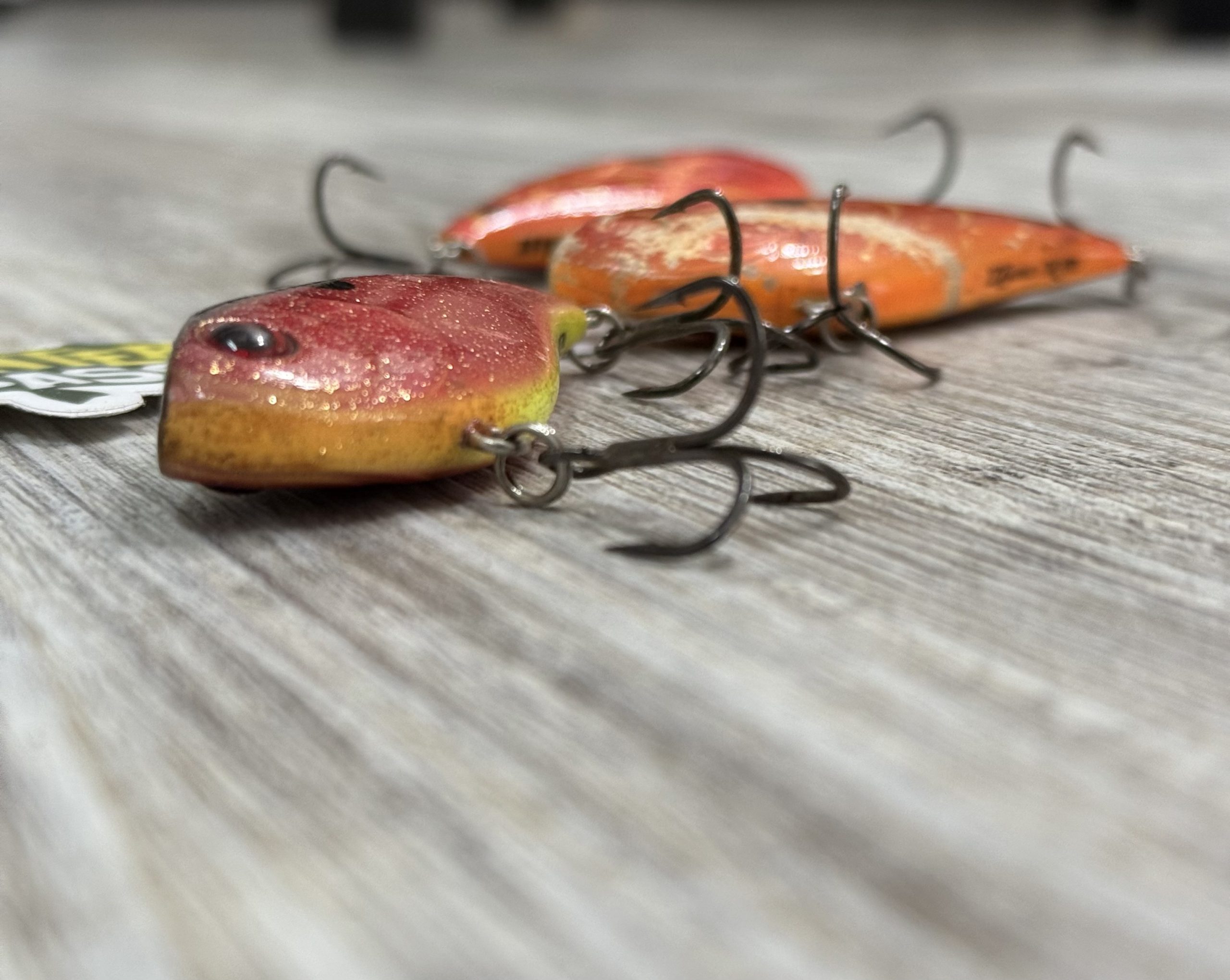
Red Rattle Traps On Lake Guntersville

Few lures are more closely associated with cold water and prespawn bass fishing on Lake Guntersville than a red lipless crankbait.
Around here, most anglers simply call it a red trap.
It is not a new technique. It is not some secret bait that showed up because somebody caught a good fish with one on social media. Anglers have been catching Lake Guntersville bass on lipless crankbaits for generations, and when the water is cold and bass begin moving toward their spring areas, red becomes one of the first colors many experienced anglers reach for.
Capt. Jim Leary is one of them.
There are usually several red traps in his boat during this part of the year because the bait can cover water, work effectively around vegetation and trigger aggressive reaction bites even when the overall activity level of the bass is still relatively low.
A Guntersville Classic For A Reason
The red trap has survived decades of new lures, new electronics and new fishing techniques because it continues to catch bass. It is especially useful when cold water fish begin positioning around grass, flats and the routes they use during the prespawn transition.
Why Does A Red Rattle Trap Work So Well?
Anglers have debated the reason for years.
One common explanation is the connection between red and the appearance of crawfish during the colder months and early spring. That may be part of the equation, but bass are not telling us exactly what they think a lure represents.
What matters on the water is that red lipless crankbaits have repeatedly produced fish on Lake Guntersville during cold water and prespawn conditions.
Vibration
A lipless crankbait produces strong vibration as it moves through the water, giving bass another way to detect the lure besides sight alone.
Sound
Traditional rattling models create considerable noise. One knocker versions create a different, more distinct sound that can give fish another presentation after they have seen countless standard traps.
Reaction
The bait can be ripped free from vegetation and suddenly accelerate. That abrupt change in speed and direction is often when a following bass commits to the strike.
The Cold Water And Prespawn Window
Water temperature is important when deciding when to start throwing a red trap, but it should not be treated as an exact on and off switch.
The classic Guntersville window often begins while water temperatures are still in the 40s and continues as the lake warms through the 50s.
A temperature somewhere between roughly 40 and 55 degrees can produce excellent lipless crankbait fishing, but the trend matters just as much as the number.
Fish may have shorter feeding windows. Slower retrieves, pauses and keeping the bait in productive water can become important.
Warming trends can increase prespawn movement and put more fish onto flats, grass edges and staging areas.
A red trap can still catch fish, but more bass may be moving shallow and additional spring techniques begin competing for time on the front deck.
Watch The Trend
Forty eight degree water after three warming days can fish very differently from forty eight degree water immediately behind a hard cold front. Capt. Jim watches the direction the temperature is moving, not only the number showing on the graph.
The Real Key Is Often The Grass
Lake Guntersville and aquatic vegetation have been connected for generations.
Hydrilla has played a major role in the lake’s fishing history, while eelgrass and other forms of vegetation have also become part of what anglers have to understand.
The exact grass composition and growth can change from one section of the lake to another and from one year to the next.
The principle behind the red trap remains remarkably consistent.
Find productive vegetation. Determine how the fish are relating to it. Then make the bait contact or travel just above that grass without spending the entire retrieve buried in it.

One Box Does Not Mean One Presentation
A pile of red traps may look like a bunch of the same lure, but small differences matter.
Different weights change running depth and fall rate. Different body designs produce different vibration. One knocker and multi rattle versions produce different sounds. Even shades of red can range from bright orange red to much darker crawfish colors.
The point is not to carry every color ever made.
It is to have enough variety to make adjustments when the fish tell you they want something slightly different.
Where To Throw A Red Trap On Lake Guntersville
The original article mentioned several creeks that Guntersville anglers have known for years: Mud Creek, North Sauty, Roseberry and Seibold.
All of them have the basic ingredients that can make a red trap effective, but naming a creek is not the same thing as identifying where the fish are inside it.
A better approach is to understand what makes the productive water productive.
Large flats, vegetation and access to deeper water give bass multiple places to stage as they make their seasonal movements.
A large creek system with a variety of grass, channels, flats and prespawn staging opportunities rather than one single productive spot.
Protected water, flats, vegetation and nearby changes in depth can all become important as fish move through the cold water transition.
Another well known Guntersville creek where anglers can look for the combination of grass, bait and travel routes that make lipless crankbait fishing productive.
Do Not Stop At The Creek Name
Saying bass were caught in a particular creek only gets an angler into the neighborhood. The real work is identifying the productive depth, grass type, grass edge, bottom change, baitfish concentration or other feature the bass are actually using that day.
Look For These Red Trap Situations
Shallow Grass Flats
Large flats can become feeding areas as bass begin moving during warming trends. The best stretch may be defined by only a small change in grass density or depth.
Outside Grass Edges
Fish that are not ready to push fully shallow can hold along the deeper edge of vegetation and move onto the flat during feeding periods.
Small Drains
Slight depressions through a flat can act as travel routes. They may be difficult to see without mapping or electronics, but they can concentrate moving fish.
Scattered Grass
Sometimes isolated clumps are more valuable than a solid wall of vegetation because they create individual ambush locations that can be efficiently targeted.
Hard Bottom Near Grass
Shell, rock or other hard bottom mixed with vegetation gives anglers another change to investigate when fish seem concentrated in a relatively small area.
Windblown Water
Wind can reposition baitfish and create feeding activity. A productive windy stretch can be worth repeatedly fishing instead of constantly running to new water.
How Capt. Jim Fishes A Red Rattle Trap
There is no single retrieve that should be used from the first cast until the end of the day.
One of the strengths of a lipless crankbait is how many different ways it can be presented without changing lures.
Find The Grass
The first objective is determining the depth and vegetation the fish are using. A perfect retrieve in unproductive water still does not catch much.
Get The Bait Near It
The trap should be close enough to the grass to create opportunities without becoming completely buried on every cast.
Let It Touch
Contact with vegetation is often a good thing. When the hooks begin grabbing grass, the angler can use the rod to snap the lure free.
Rip It Free
That sudden burst of speed after the lure hangs in the grass can create the exact reaction needed to make a nearby bass strike.
Pay Attention To The Bite
Was the bait moving quickly? Falling? Just ripped free? Barely ticking the grass? Those details help turn one bite into a repeatable pattern.
Three Retrieves Worth Trying
Steady Retrieve
Wind the bait at a controlled speed and keep it just above or lightly contacting vegetation. This is a good way to cover water and establish whether active fish are present.
Rip And Fall
Allow the lure to contact grass, snap it free and let it fall briefly before continuing the retrieve. Many strikes occur immediately after the bait changes direction.
Burn It
When fish become active, especially during a warming period, increasing retrieve speed can create reaction strikes from bass that ignore a slower presentation.
The right retrieve can change during the same day.
Cold mornings may require more patience. A warm afternoon can put the same fish in a completely different mood.
Rattling Trap Or One Knocker?
Capt. Jim carries both.
A traditional lipless crankbait may contain several rattles and produce a constant, higher frequency sound during the retrieve.
A one knocker uses a larger internal weight to create a different sound.
There is no rule saying one is always for dirty water and the other is always for clear water. Fishing rarely stays that simple.
Traditional Rattling Model
A strong option for covering water and creating plenty of sound and vibration. It remains the classic presentation most anglers associate with trap fishing.
One Knocker Model
Produces a different acoustic signature. That difference alone can matter when bass have been exposed to large numbers of traditional rattling baits.
Let The Fish Make The Final Decision
Conditions can suggest a starting point, but bites are better evidence. If one sound, size, weight or retrieve starts producing consistently, pay attention to it.
Weight Changes More Than Casting Distance
Lipless crankbaits are available in several weights, and changing weight can completely change how the lure fishes.
A heavier trap sinks faster and can be easier to keep down around deeper vegetation. A lighter bait can be easier to control over shallow grass without constantly burying the hooks.
Wind also matters.
Heavier baits are often easier to cast and maintain contact with when a strong Guntersville wind starts pushing the boat.
- Shallower grass: A lighter bait can make depth control easier.
- Deeper grass: Additional weight can help the bait reach the productive zone.
- Strong wind: More weight may improve casting and lure control.
- Slow presentation: Fall rate becomes increasingly important when the bait is paused or allowed to drop.
Rod, Reel And Line For Lipless Crankbaits
Trap fishing around Guntersville grass requires enough power to rip the lure free while still giving an angler some forgiveness when a bass is hooked on treble hooks.
Rod
A medium heavy rod with an action that still provides some flex is a versatile choice. The goal is enough backbone to work the bait through grass without creating an unforgiving setup.
Reel
A baitcasting reel that allows the angler to comfortably vary retrieve speed works well. The ability to quickly pick up line becomes useful when ripping the lure free or fishing quickly.
Line
Line choice depends on grass, depth and the individual setup. Fluorocarbon is commonly used because it provides good sensitivity and abrasion resistance while helping maintain contact with the lure.
Do Not Forget The Hooks
A lipless crankbait is often being ripped through grass, banged around and cast repeatedly. Check the hooks throughout the day. Sharp hooks matter when a bass strikes quickly and the lure is moving.
Do Not Automatically Run From The Wind
Wind can make boat control harder, but it can also improve trap fishing.
Moving water and wave action can reposition baitfish, reduce light penetration and create more opportunities for bass to feed.
That does not mean the windiest bank on the lake is always the best one.
It means anglers should be careful about leaving a productive stretch just because conditions are uncomfortable.
If the right grass, bait and bass are all in the same area, a little wind may be helping rather than hurting.
Common Red Trap Mistakes
- Fishing too clean: Trying to keep the bait completely away from grass can eliminate the contact that creates many reaction bites.
- Fishing too buried: Constantly dragging a ball of vegetation back to the boat means the lure is spending very little time fishing correctly.
- Using one retrieve all day: A morning pattern may disappear after the sun warms the water or wind changes.
- Leaving after one bite: A single trap bite can be evidence that several fish are using a specific stretch of grass.
- Ignoring depth: Fishing the right lure five feet above or below the productive zone can make good water seem empty.
- Thinking red is magic: Red is a proven starting color, not a guarantee. Conditions and fish behavior still determine whether it is the best choice.
Why The Red Trap Has Survived Every Fishing Trend
Bass fishing changes constantly.
Boats are faster. Electronics are better. Mapping is more detailed. Forward facing sonar allows anglers to see fish behave in ways nobody could observe from the front deck a generation ago.
Lure companies introduce new baits every year.
Yet when Guntersville water temperatures fall into the cold water range and the first signs of the prespawn transition begin, somebody is still going to have a red lipless crankbait tied on.
There is a reason.
The bait covers water quickly. It works around the vegetation that defines much of Lake Guntersville. It can be fished at several depths. It gives an angler multiple retrieve options. It creates sound and vibration. Most importantly, bass continue to bite it.
Old School Does Not Mean Outdated
A technique does not need to be new to remain effective. Sometimes the best tool for a modern fishing situation is still one that Guntersville anglers were throwing long before today’s electronics existed.
Check The Lake Before You Start Throwing One
The red trap is a seasonal tool, and knowing where Lake Guntersville is in its seasonal progression can help determine when it deserves time on the front deck.
Guntersville Bass Guides maintains a dedicated Lake Guntersville water temperature page along with current fishing reports from the guide team.
Water temperature gives you one clue.
The recent fishing reports help show what the lake has actually been doing.
Lake Guntersville Red Rattle Trap FAQs
What is a rattle trap?
Rattle trap is a common fishing term used for a lipless crankbait. The lure has no diving bill and typically sinks when it is not being retrieved. Most versions contain internal rattles or a larger single knocking weight.
Why are red lipless crankbaits popular on Lake Guntersville?
Red has a long history of producing bass during cold water and prespawn conditions on Lake Guntersville. Anglers often associate the color with crawfish, but sound, vibration, contrast and the lure’s ability to trigger reaction strikes are also part of the overall presentation.
What water temperature is best for a red rattle trap?
There is no exact temperature that guarantees a bite. Water in the 40s through the 50s can provide excellent conditions, particularly during warming trends and the prespawn transition. Temperature direction and fish location matter as much as the exact reading.
Should a rattle trap touch the grass?
Often, yes. Light contact with vegetation followed by ripping the lure free is one of the classic ways to trigger reaction strikes. The goal is productive contact rather than dragging a large clump of grass throughout the entire retrieve.
Should I use a rattling model or a one knocker?
Both can catch fish. They create different sounds, which gives anglers another way to adjust. The best choice can change with fishing pressure, water conditions, fish activity and even the specific group of bass being targeted.
Can I fish a lipless crankbait around eelgrass?
Yes. Depth and grass density determine how the bait should be retrieved. The same basic idea applies: keep the lure near productive vegetation, allow some contact and rip it free when necessary.
What are some good areas for trap fishing on Guntersville?
Mud Creek, North Sauty, Roseberry and Seibold have all been associated with productive spring fishing, but anglers should focus more on identifying the right grass, depth, bait and seasonal movement than simply fishing a creek because of its name.
Is red the only good lipless crankbait color?
No. Red is a proven Guntersville color during the colder part of the year, but baitfish colors and other patterns can also produce. Let current conditions and fish response determine whether a color change is needed.
A Lake Guntersville Tradition That Still Produces
There is something different about the first good trap bite of the year.
The water is still cold. Most mornings require plenty of clothes. Grass clinging to the hooks becomes part of almost every cast.
Then the bait snaps free.
The rod loads.
And suddenly there is nothing subtle about cold water bass fishing.
That violent strike is one reason so many Guntersville anglers look forward to this pattern every year.
For Capt. Jim, having several red traps ready is simply part of getting the boat prepared when the lake reaches that stage of the season.
Some fishing techniques come and go.
This one has earned its place.
Come Fish The Spring Transition On Lake Guntersville
Reading about the red trap pattern is one thing.
Learning how to identify the right grass, control the bait, recognize productive depth changes and adjust the retrieve as conditions change is where the technique really starts making sense.
Guntersville Bass Guides™ offers guided bass fishing trips throughout the spring with a team of experienced captains who follow Lake Guntersville as the seasonal patterns develop.

Fishing conditions change constantly. No particular catch, number of fish or size of fish can be guaranteed.
