
Lake Guntersville Fishing Report: The Summer Transition Finally Broke
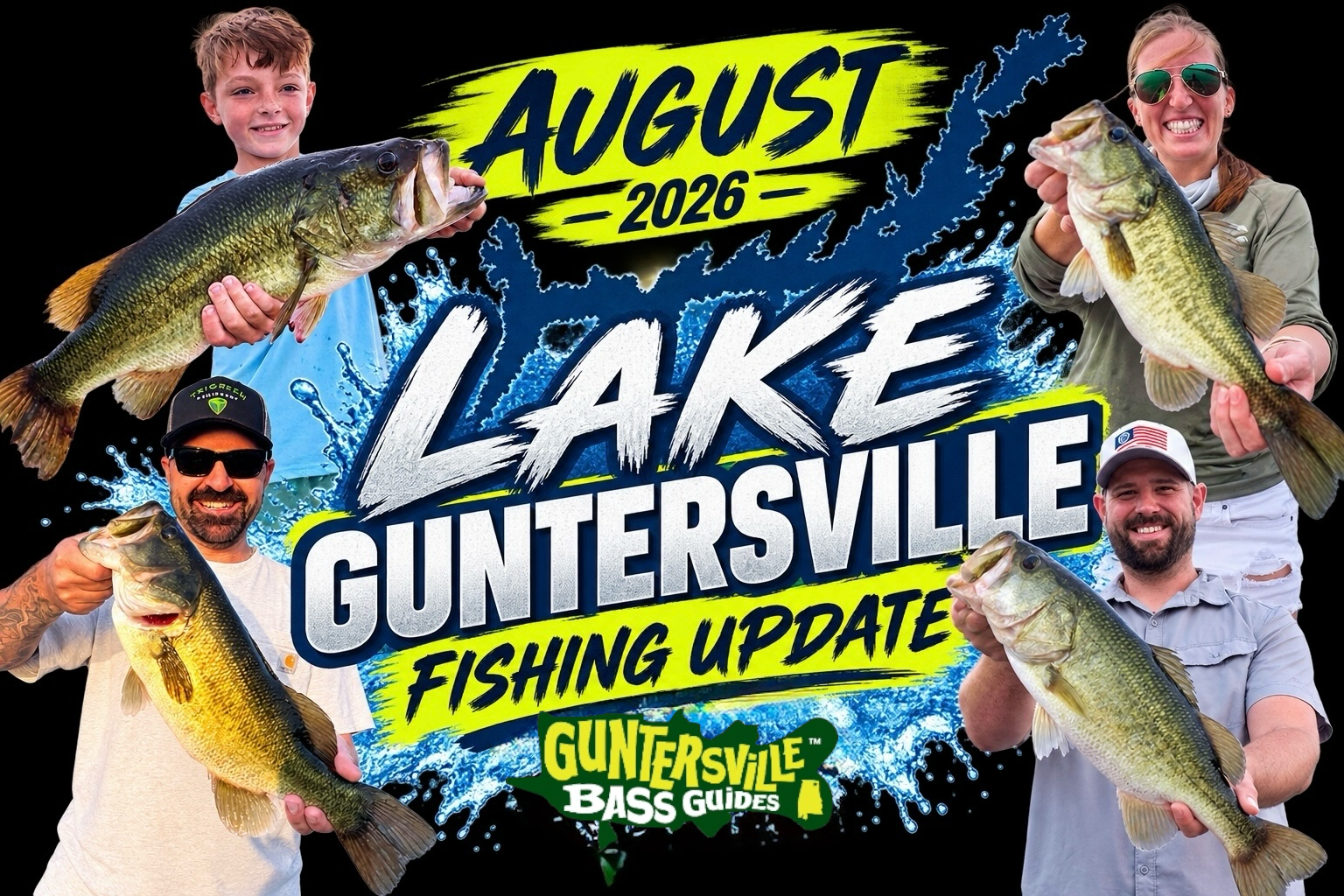
Earlier in the week, Lake Guntersville looked a lot like it had for the previous couple of weeks. We were still catching fish, but it felt like we were waiting on the summer transition to finally finish. Four-hour trips were commonly producing around 10 to 15 bass, with enough quality mixed in to keep every trip interesting.
Later in the week, that changed. The transition we have been talking about finally broke, and the numbers jumped with it. Instead of talking about 10 to 15 fish, several trips moved into the 30- to 40-fish range.
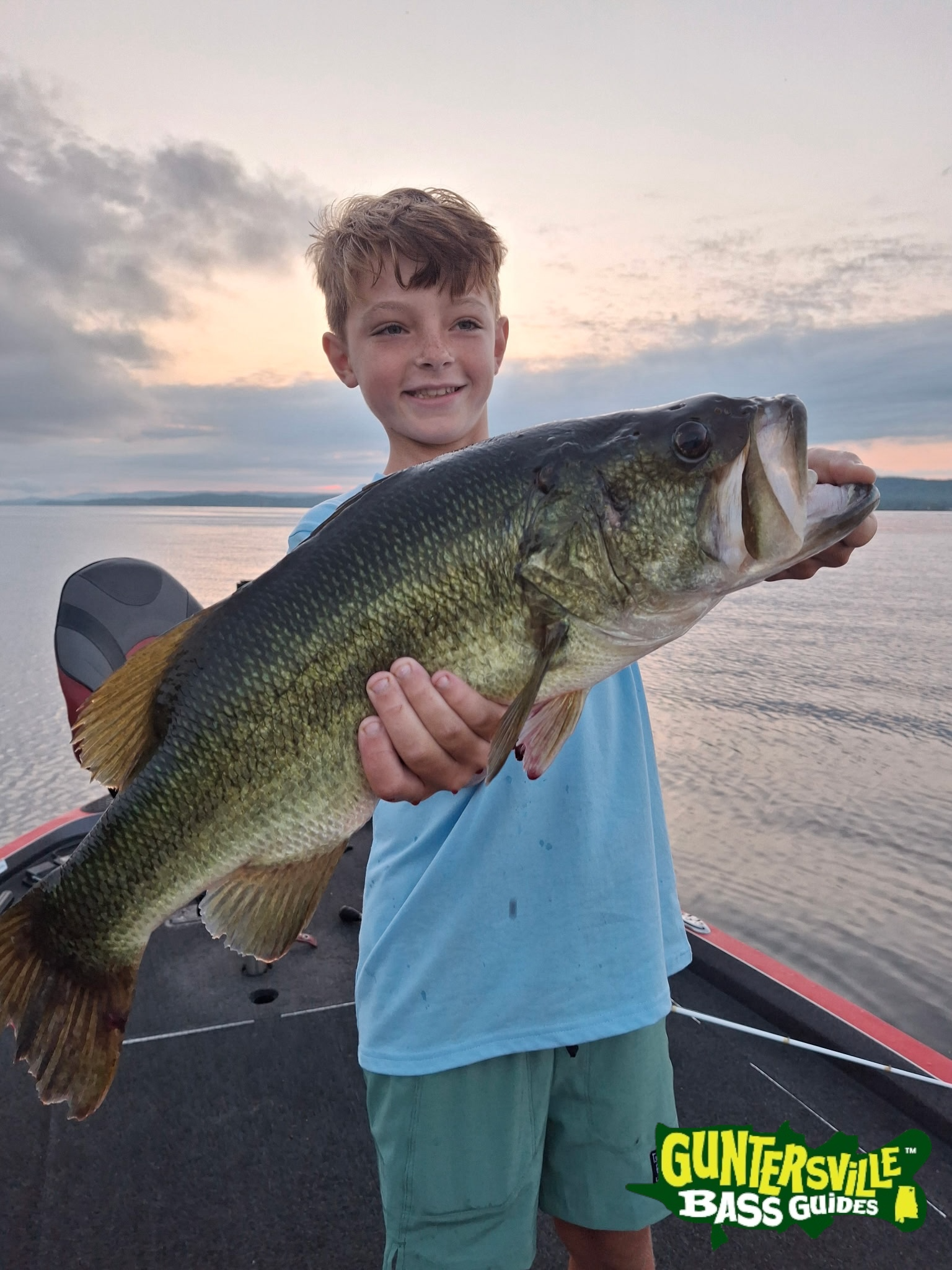
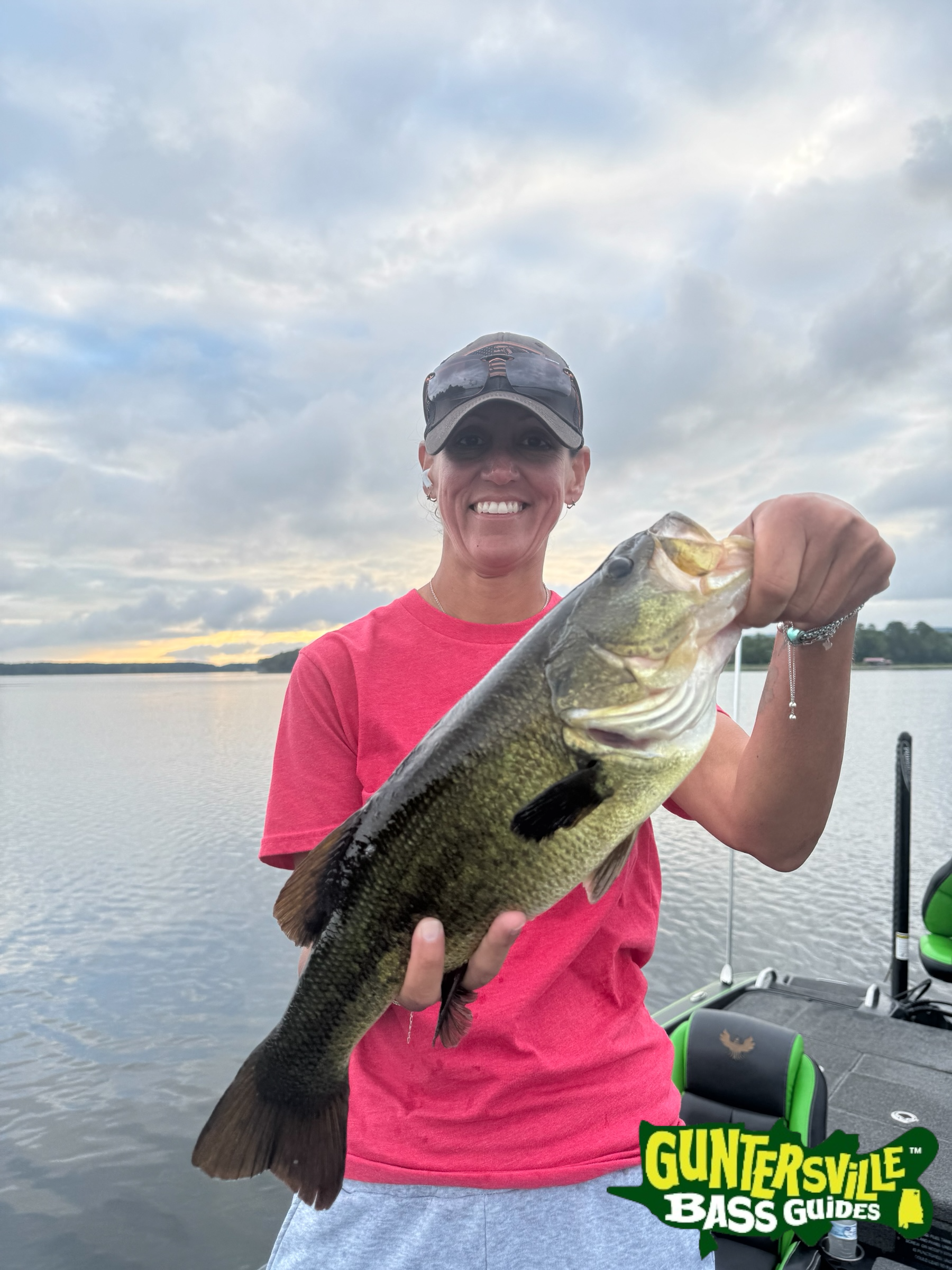
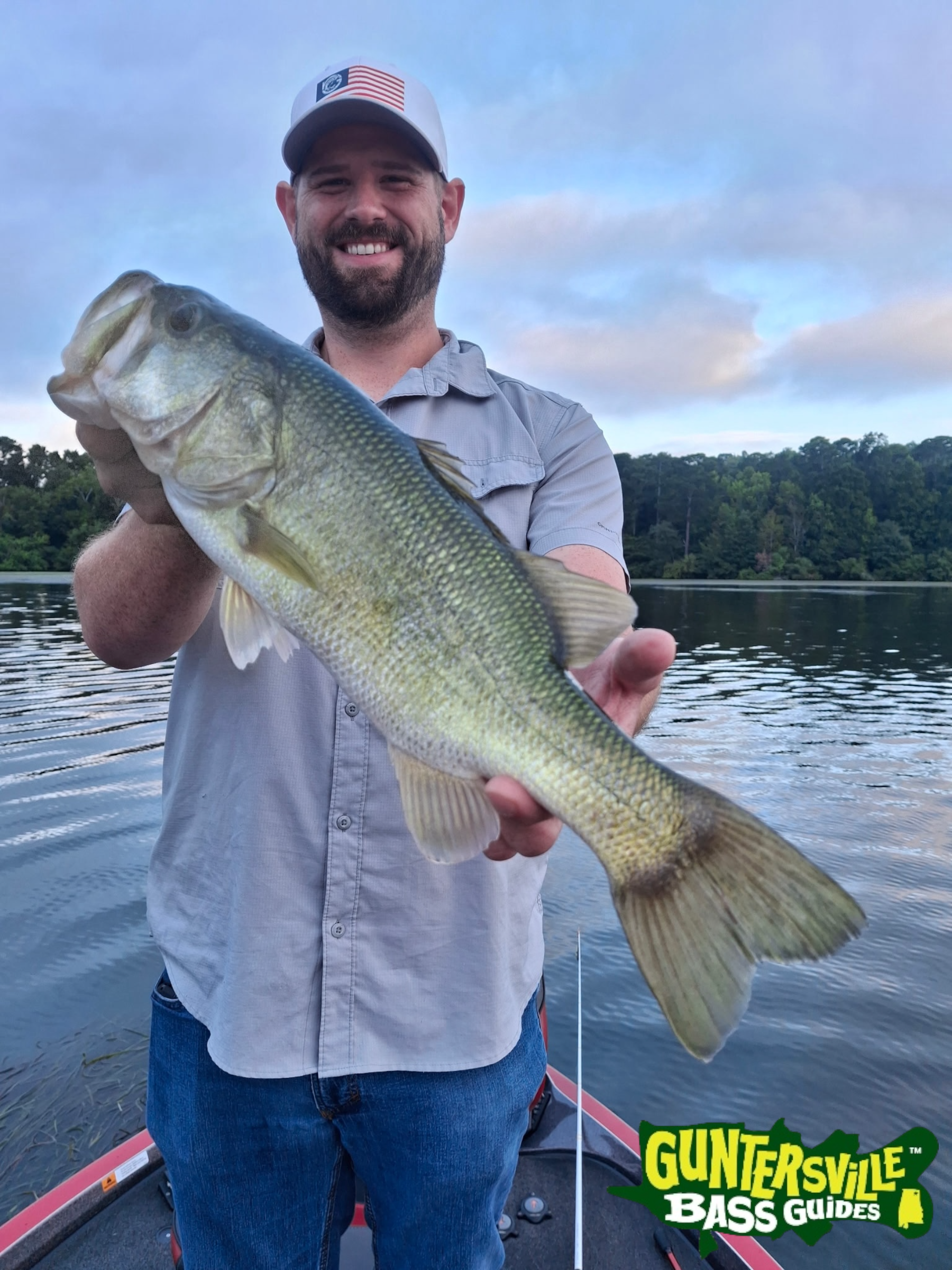
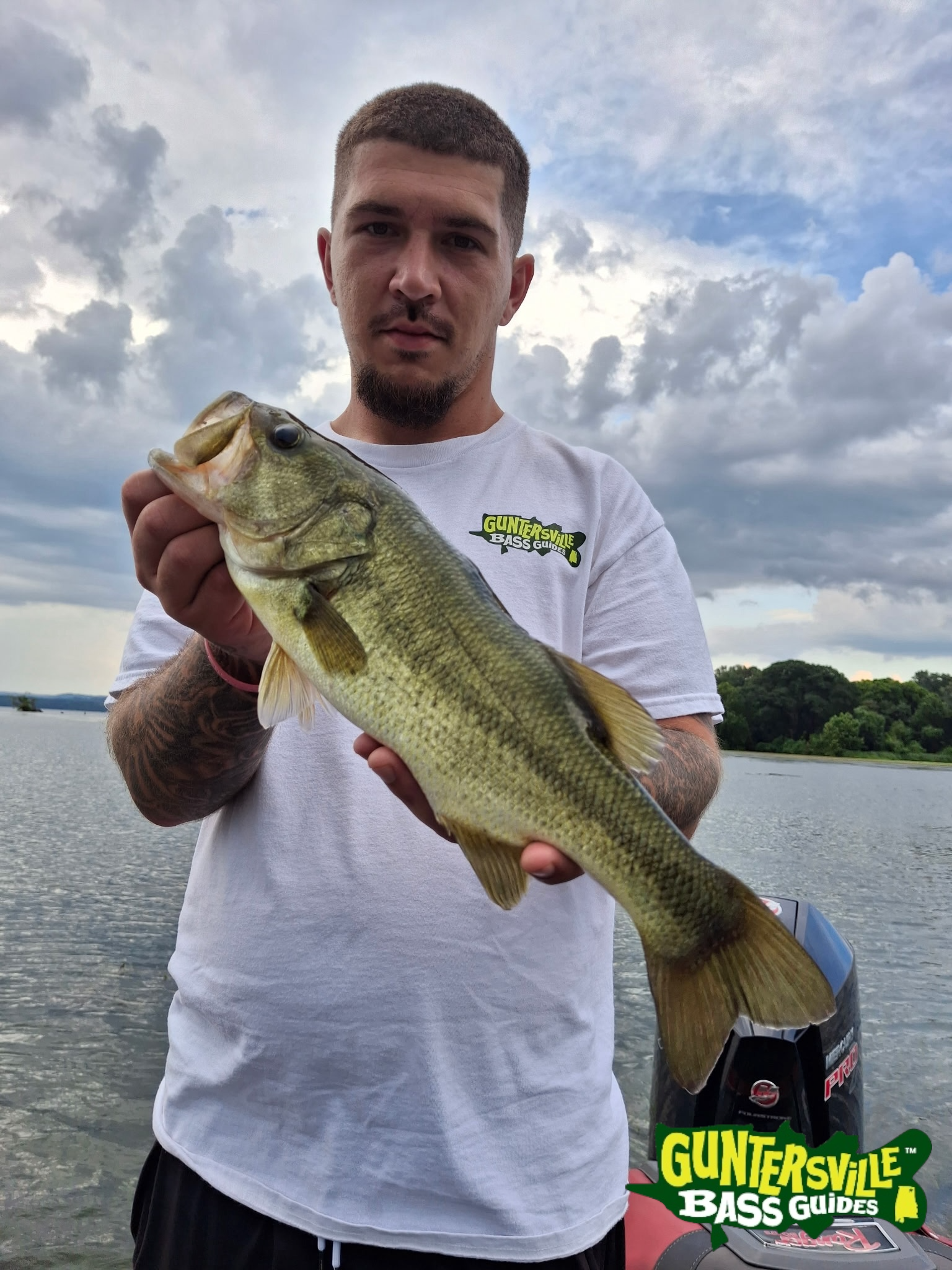
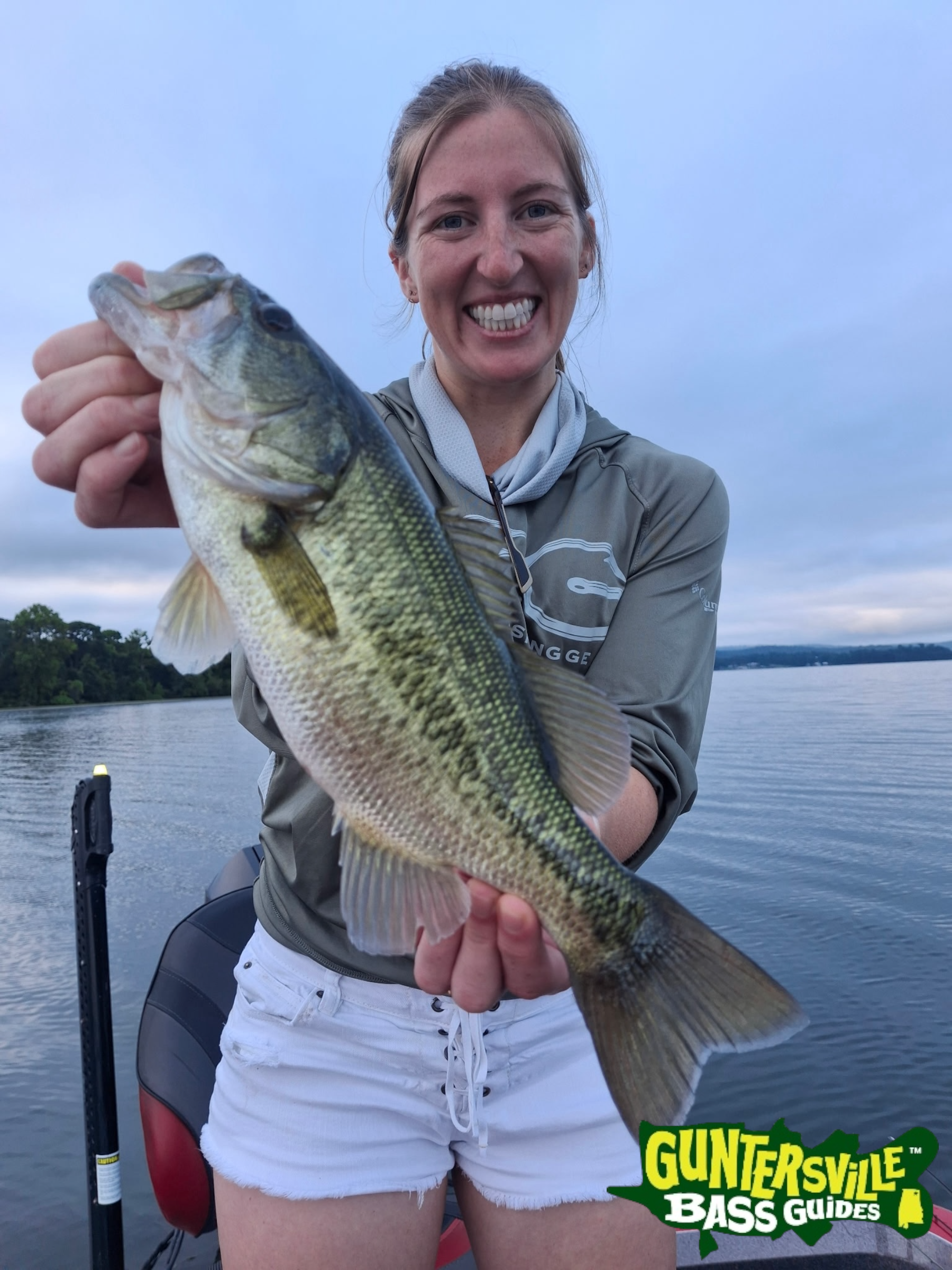
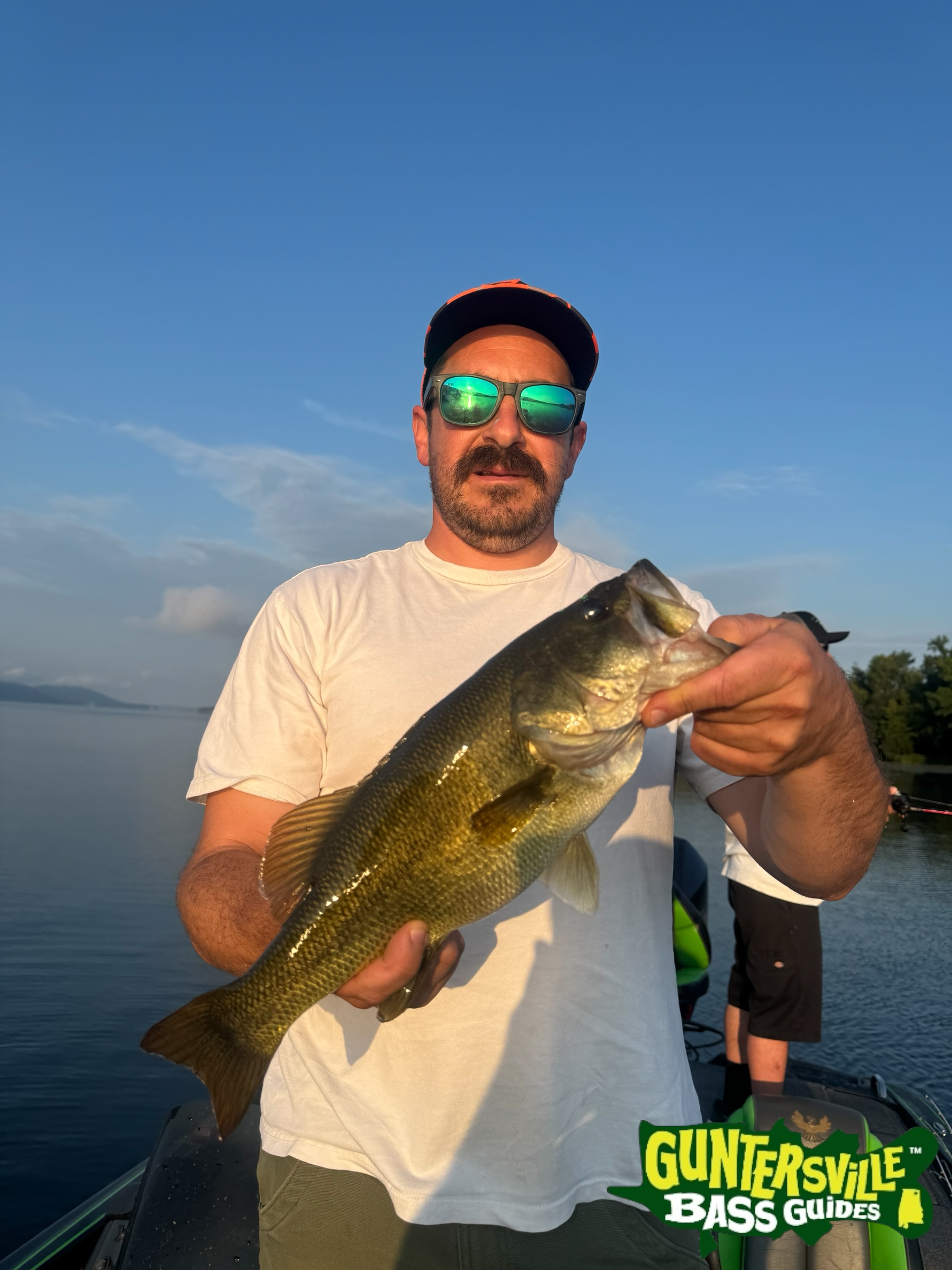
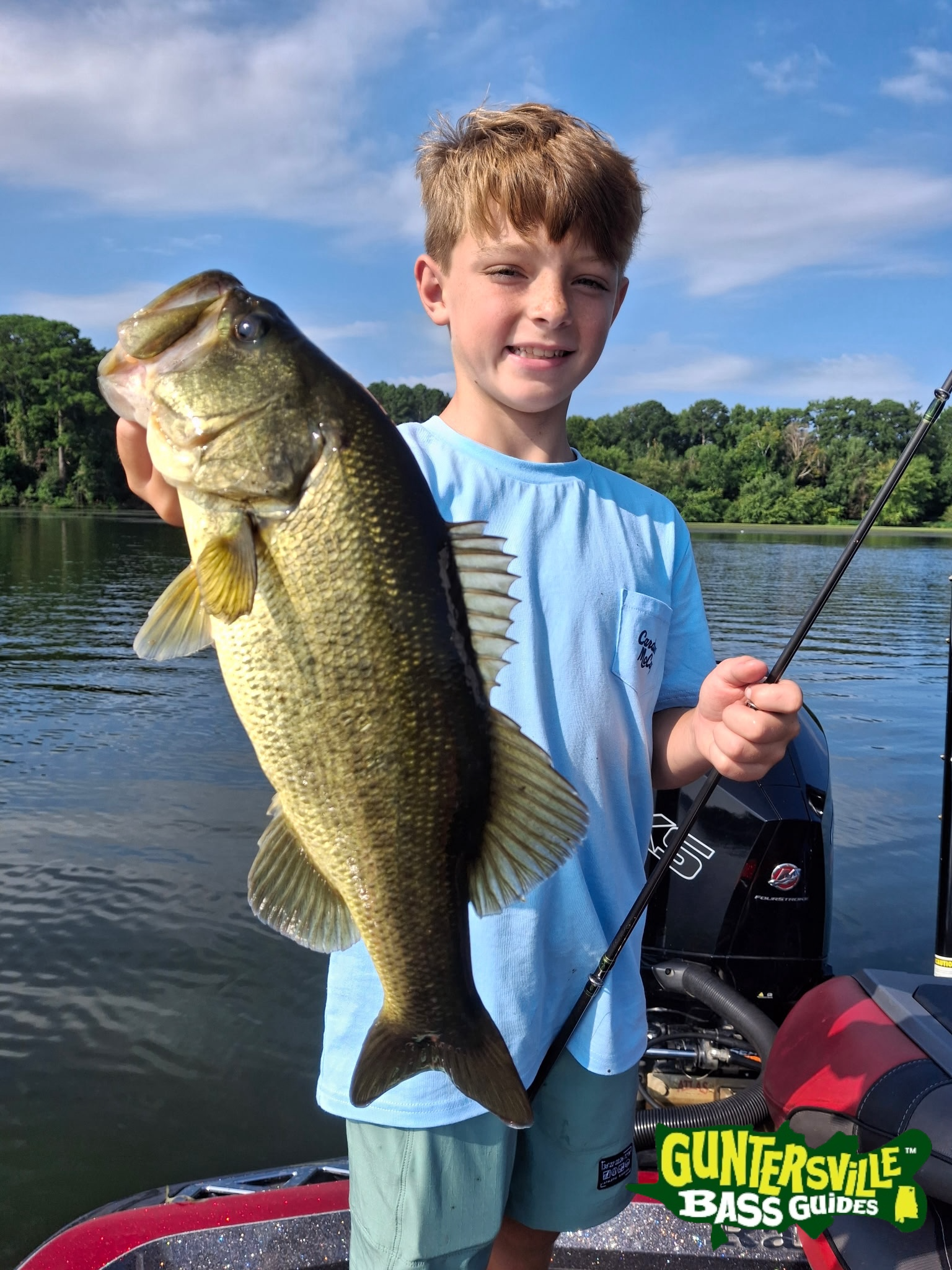
They are not all giants. A lot of what we are catching are solid keeper-sized bass up to roughly 2 to 2½ pounds. The difference is the number of opportunities, and we are still seeing quality fish mixed in. A 4-pound-or-better bass has been showing up on many trips, sometimes more than one, and this week included a 6-pound largemouth for a young angler fishing with Capt. Phillip Criss.
The Change We Had Been Waiting On Finally Showed Up
The biggest story this week is not a new lure or one isolated big fish. It is the simple fact that the lake finally moved through the transition that had been holding the bite in that in-between stage.
Earlier in the week, we were still working through the same kind of fishing we had been seeing. You could catch them, but you had to earn the bites and make the most of the better opportunities. By the back half of the week, groups of bass were easier to get fired up and productive stretches lasted longer.
That is why the numbers changed so quickly. We are not suddenly fishing an entirely different lake. The fish simply finished making a move, settled into more predictable places, and started responding more aggressively to the right presentations.
What That Means For A Guided Trip
More bites create more chances to learn, make adjustments, and eventually run into one of the better bass mixed with the groups. That is a much different feel than grinding through isolated opportunities for most of the trip.
Capt. Phillip And Capt. Scott Set The Pace This Week
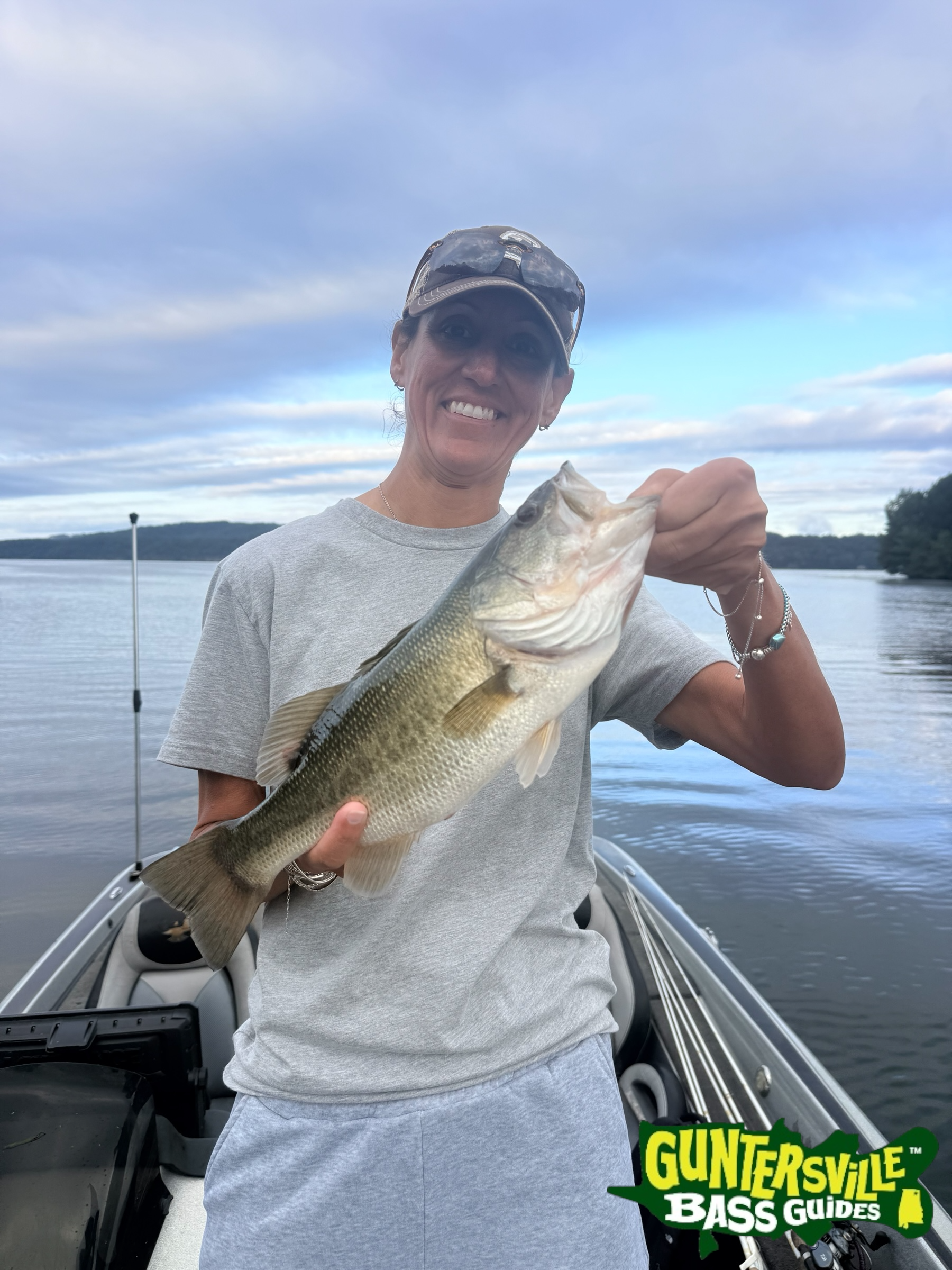
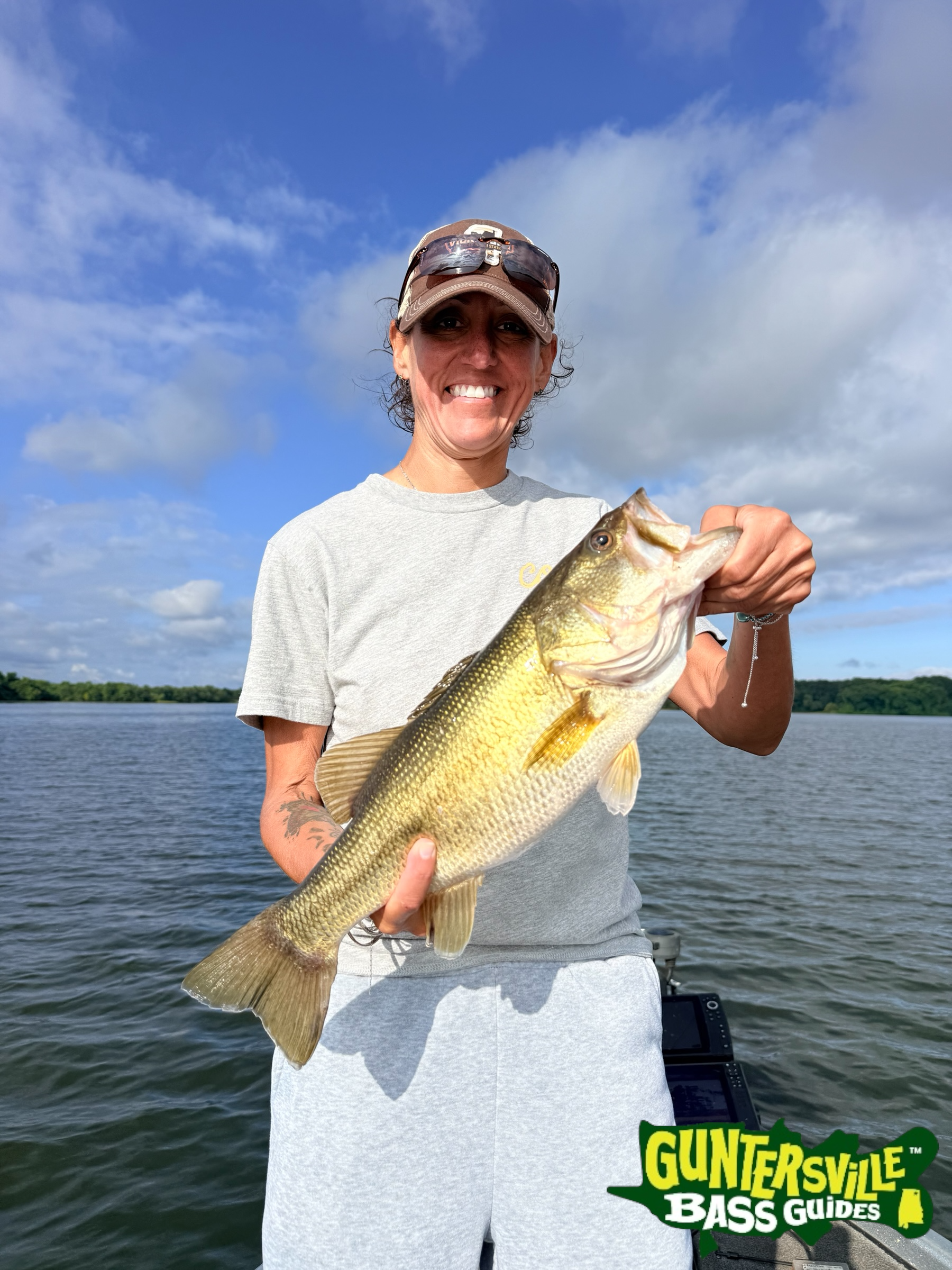
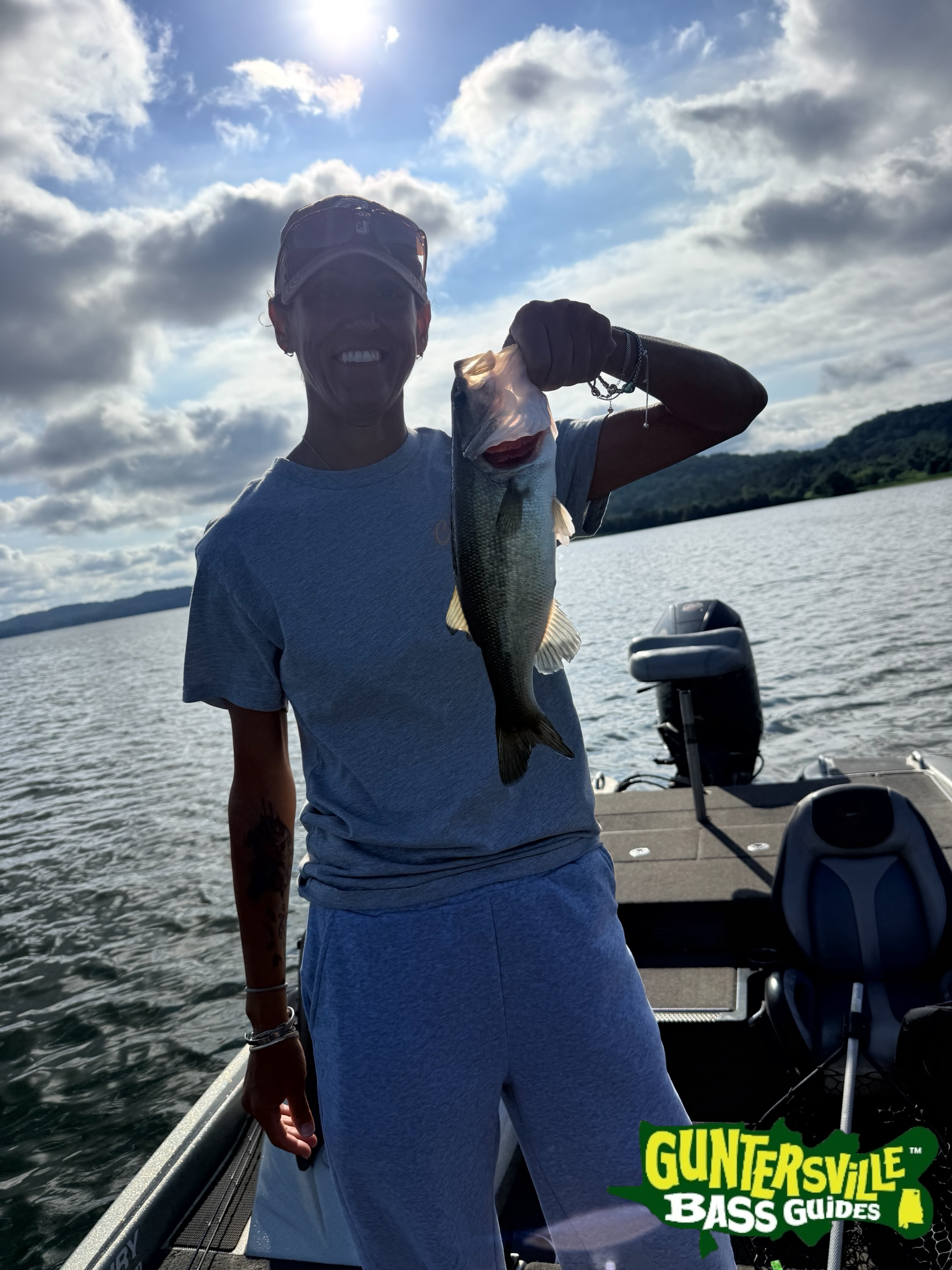
The entire Guntersville Bass Guides™ team has been producing, but Capt. Phillip Criss and Capt. Scott Jernigan had the standout runs this week. Both guides were around numbers, quality, and the kind of trips that showed just how much the bite improved once the transition finished.
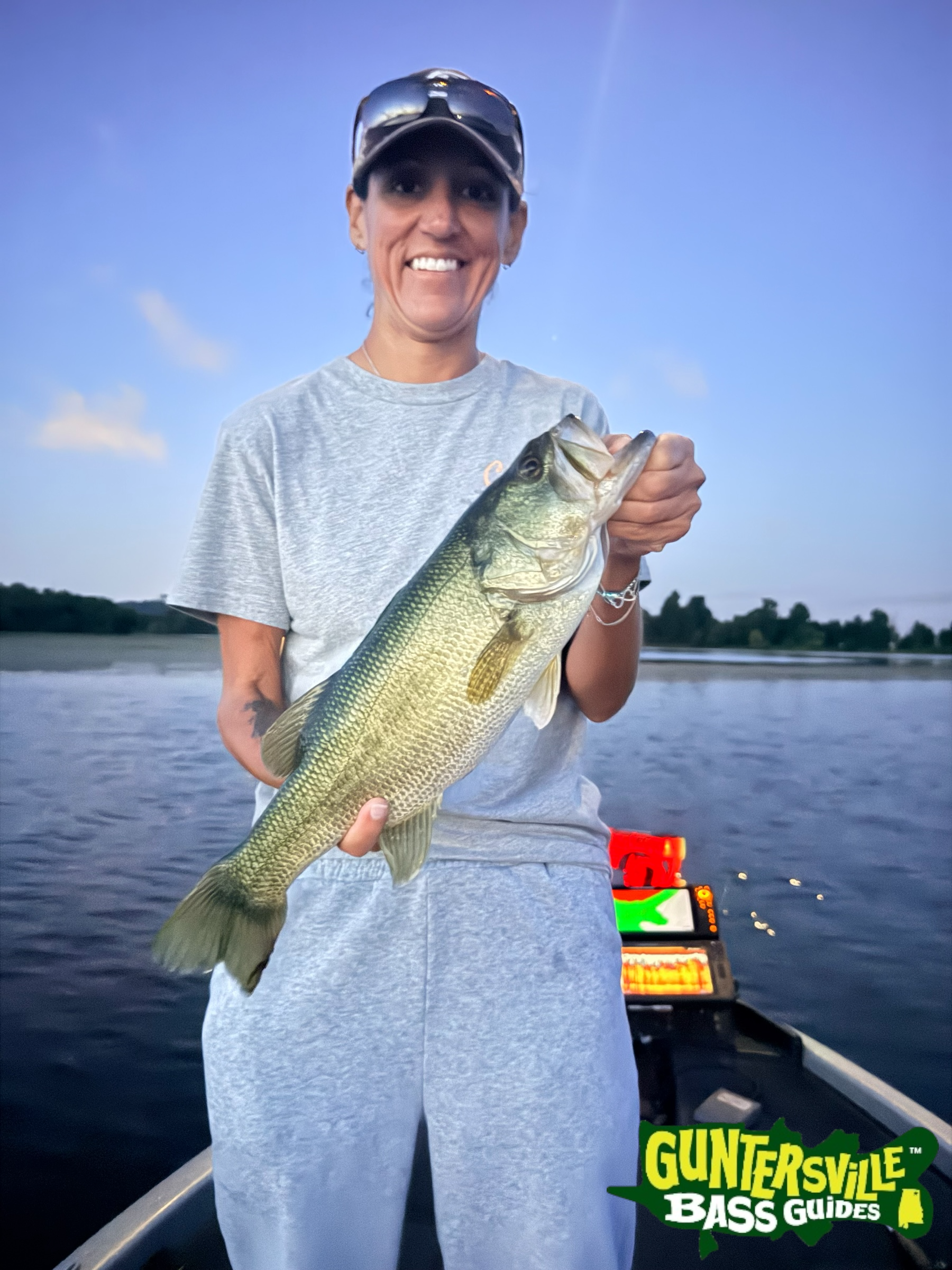
Capt. Phillip’s week included a 6-pound largemouth caught by a young angler. That fish was exactly the kind of quality bite that can show up in the middle of a day filled with keeper-sized bass.
Capt. Scott also continued putting clients around productive groups of fish. The important part is that this was not one guide finding one isolated school. Information was carrying across the team, and several boats were seeing the same overall improvement.
One Fish Can Still Change The Whole Trip
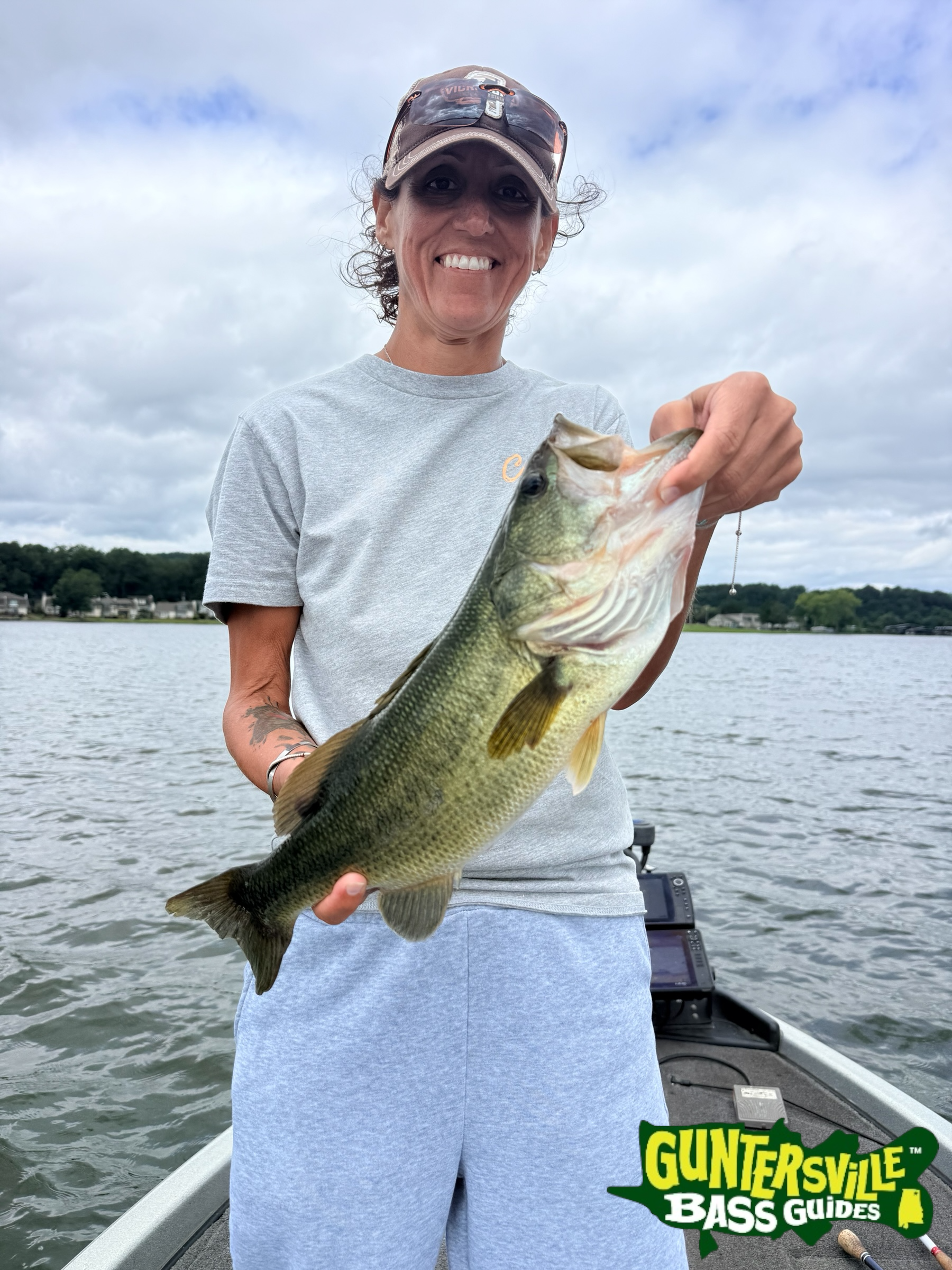
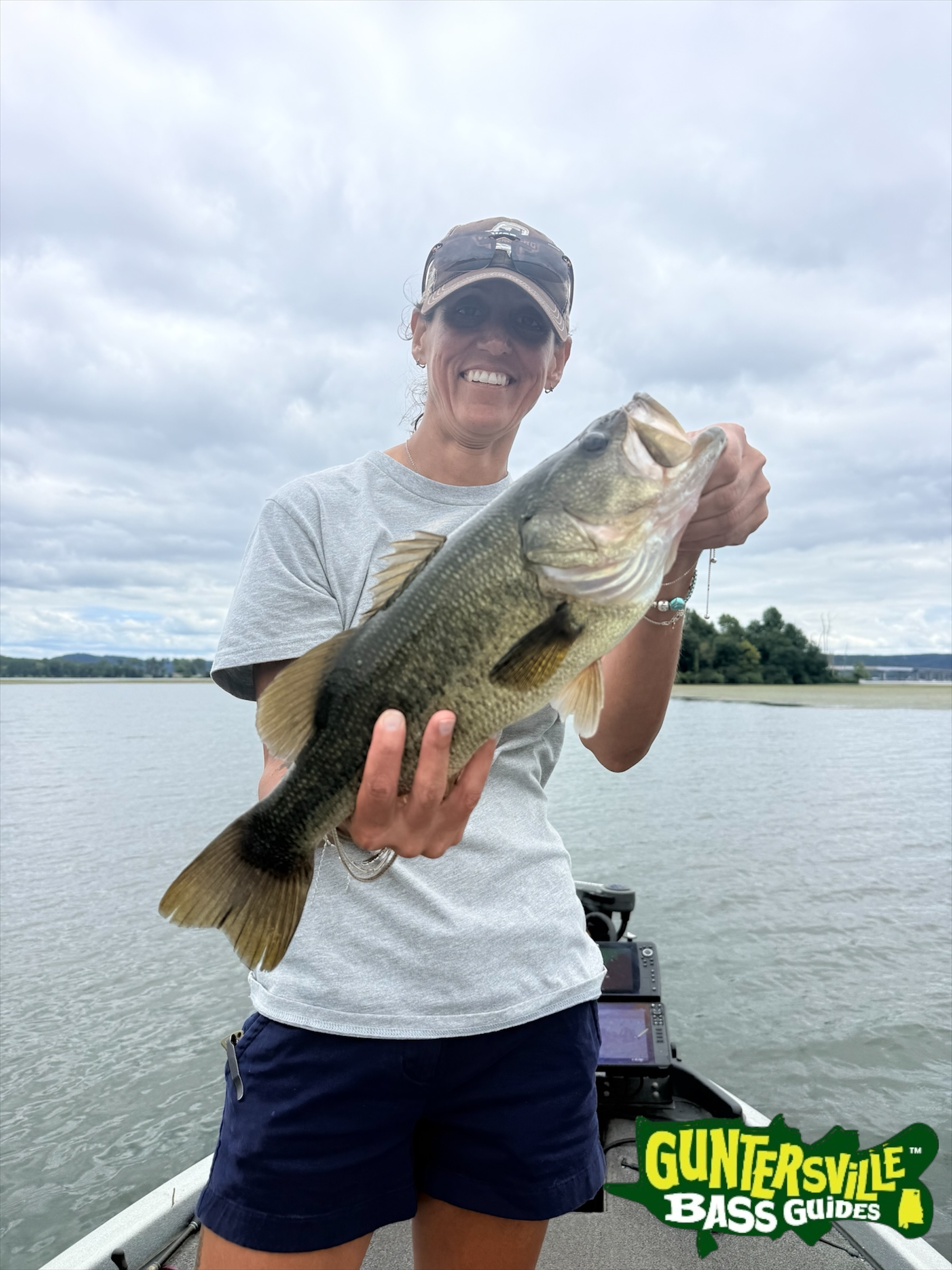
Catching 30 or 40 bass is fun, but everyone still wants the bite that makes them stop and look twice. This week proved those better fish are still mixed in, including a 6-pounder and multiple bass in the 4-pound-plus class.
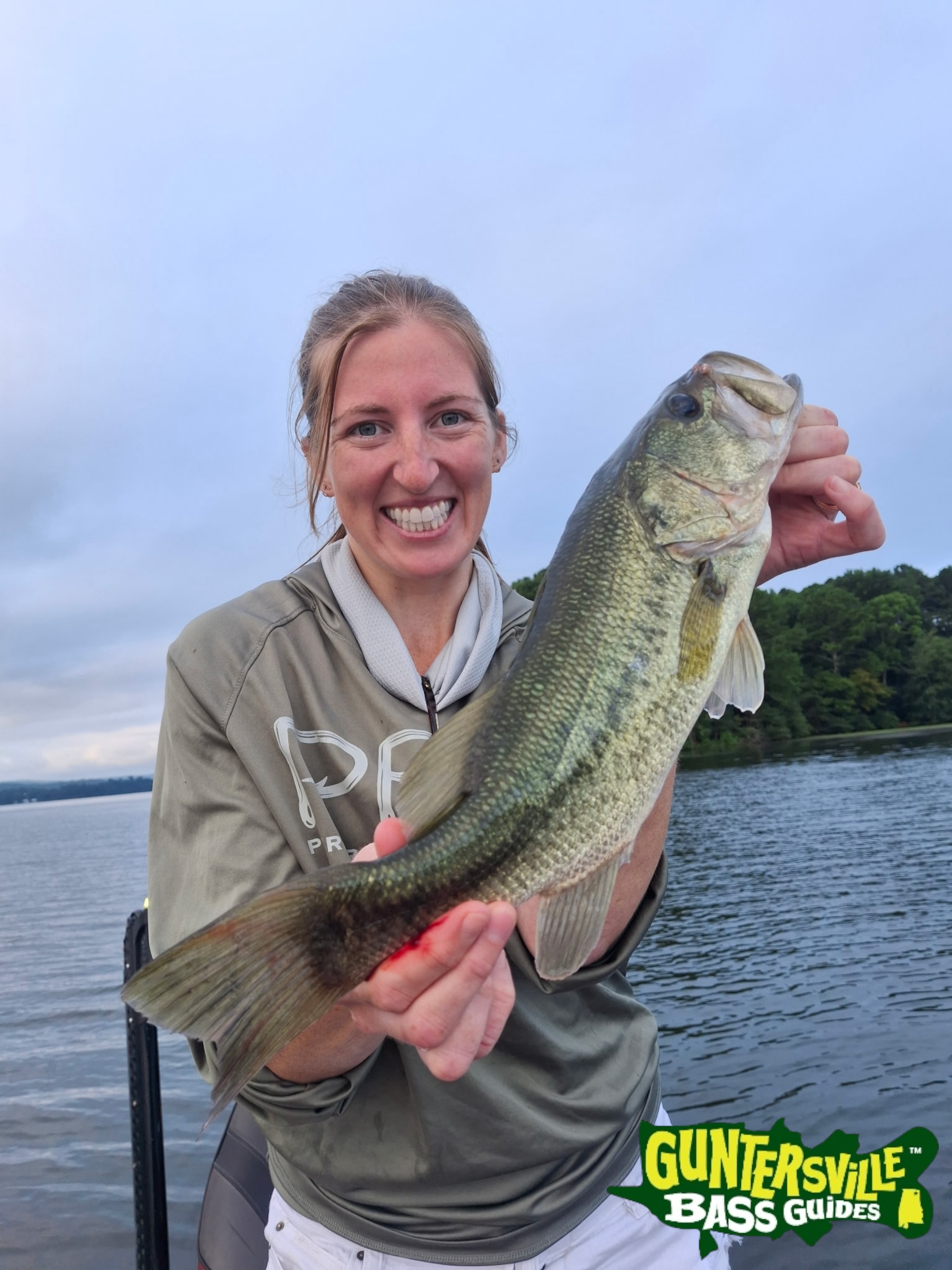
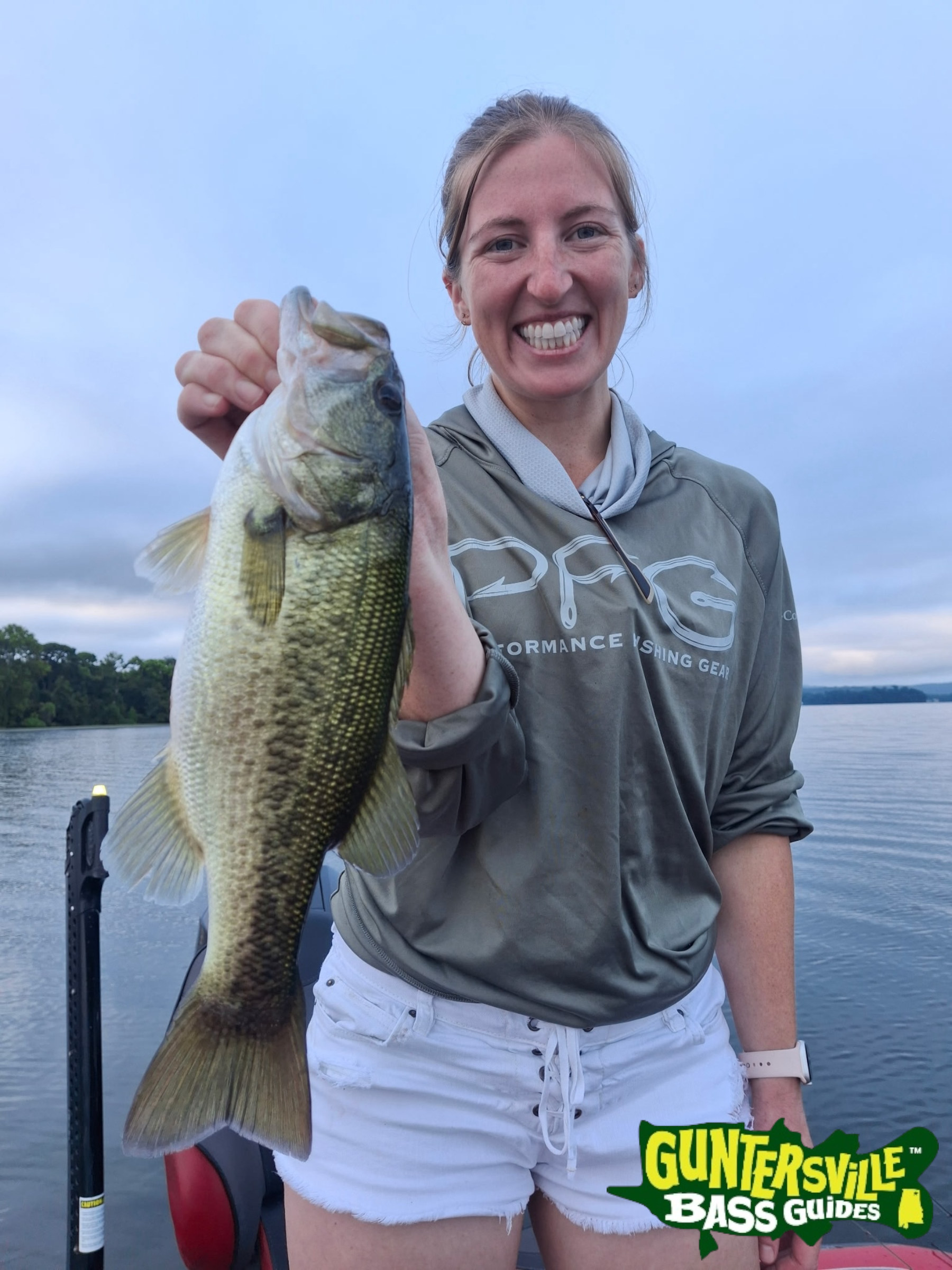
Zach And Nina Put A Number On How Much The Bite Changed
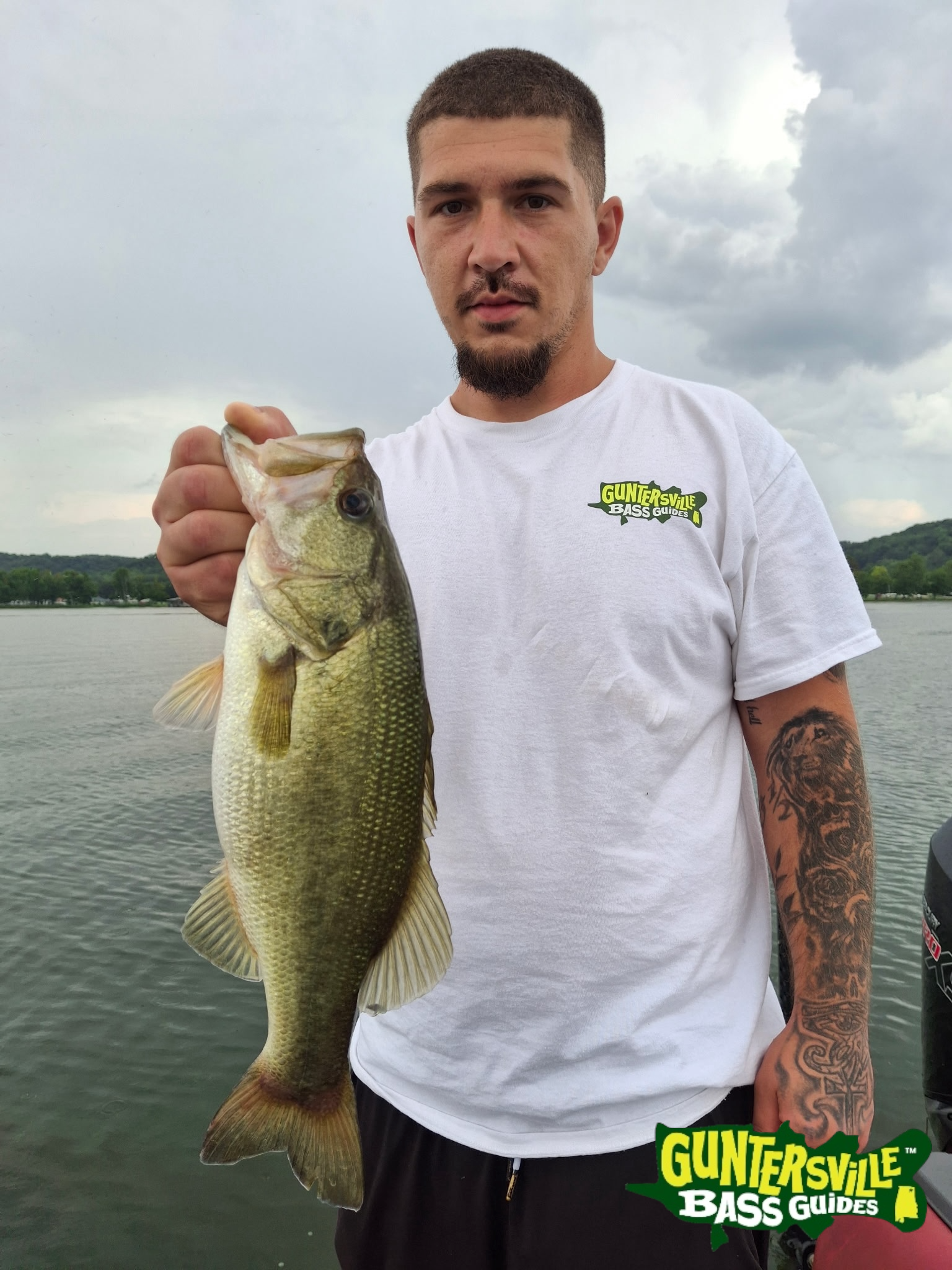
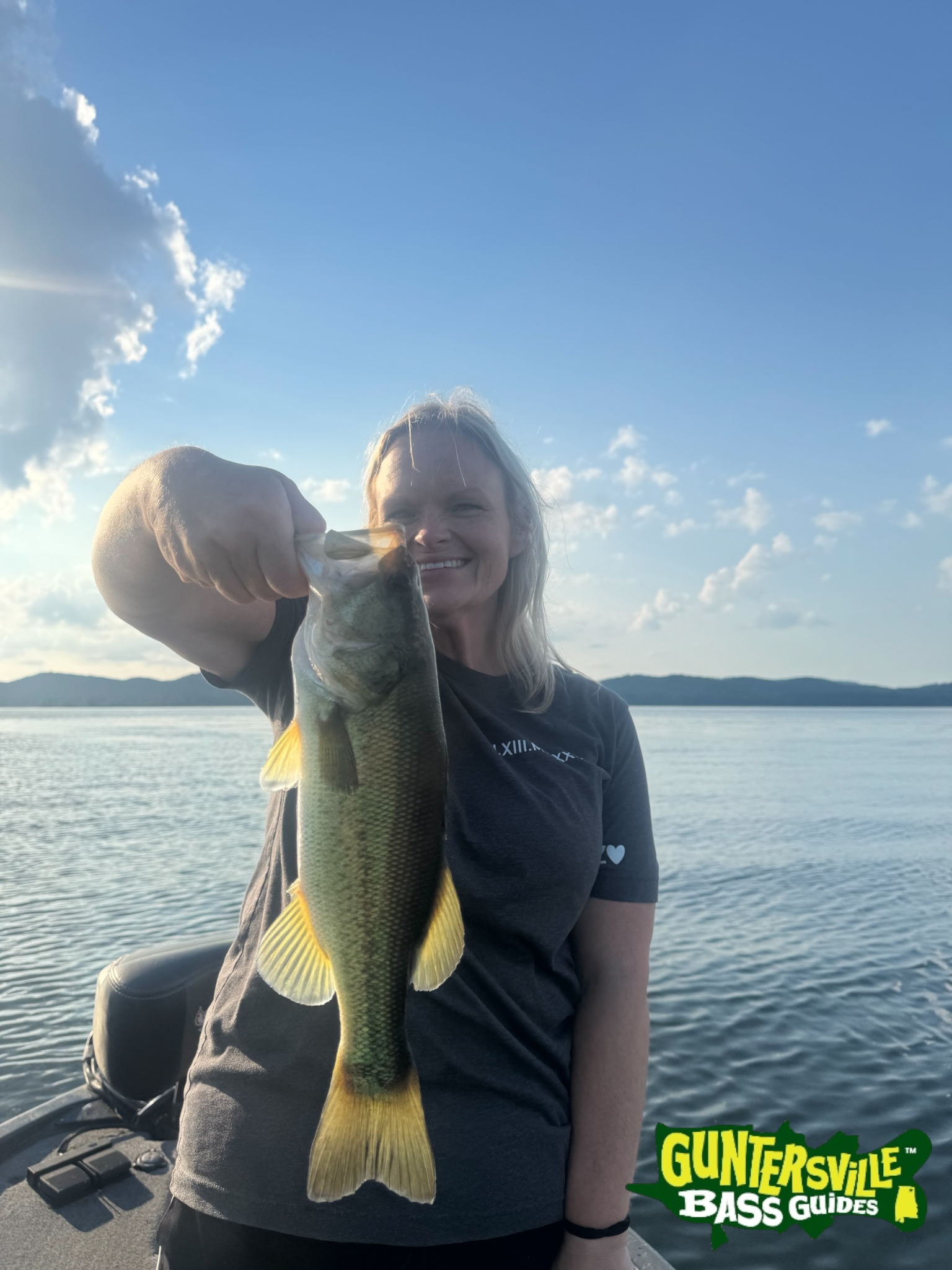
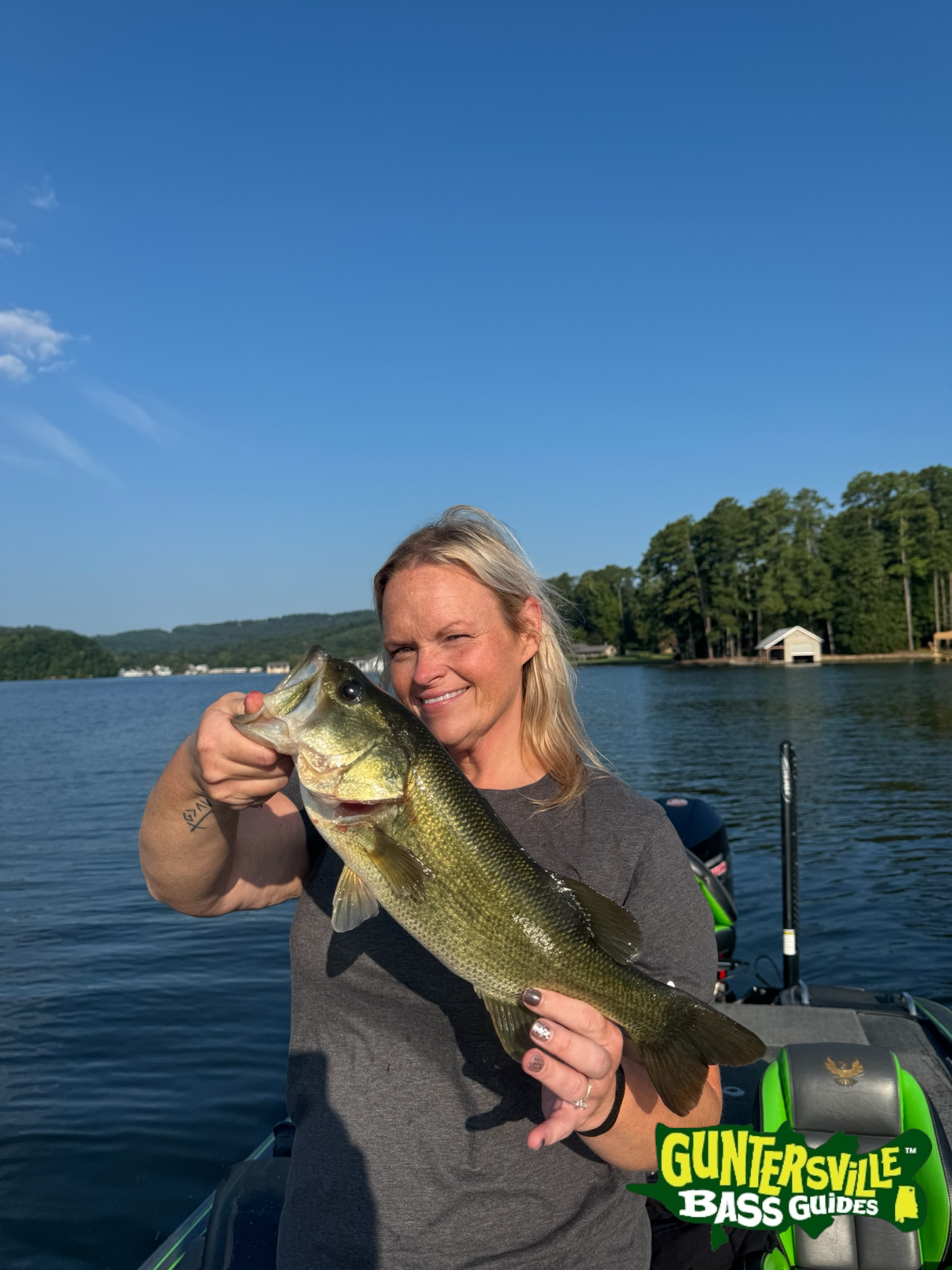
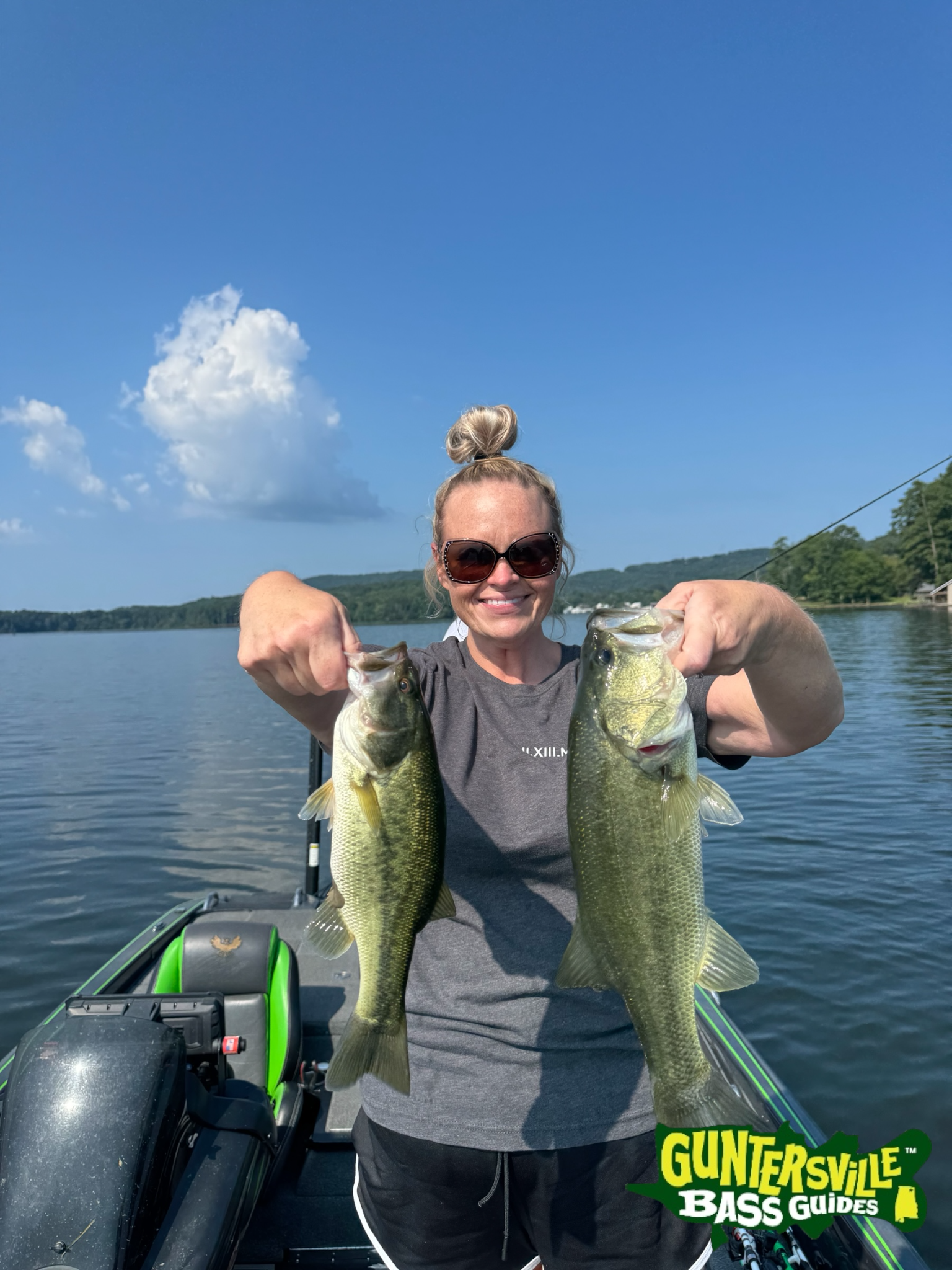
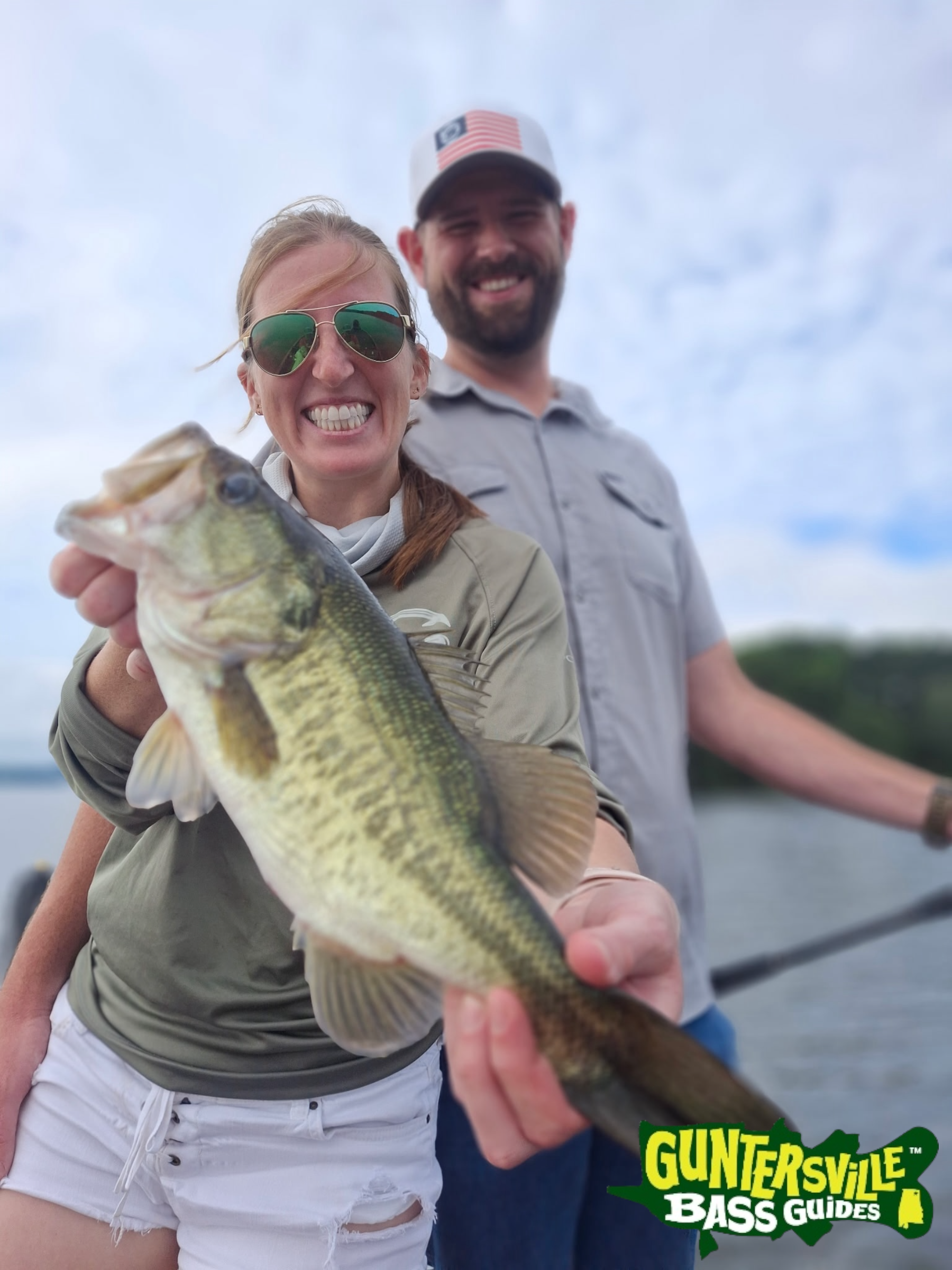
Repeat clients Zach and Nina spent the morning with Capt. Scott and then capped the day off with an evening trip with Capt. Phillip. The evening trip is one of the best examples we have from this week of how different the lake looked after the transition broke.
By the end of the trip, Zach and Nina had lost count. Capt. Phillip had not. He kept track, and they finished with more than 40 fish.
That does not mean every trip from here forward is automatically going to be a 40-fish trip. Fishing still changes with conditions, current, weather, and timing. But when returning clients who have seen this lake in different moods are telling us they lost count, it is a pretty good sign that the bite has taken a meaningful step forward.
What We Are Catching Them On — And What We Are Keeping To Ourselves
There are several ways to catch bass on Lake Guntersville right now, but two presentations have separated themselves from everything else for our guides this week.
We are going to be intentionally vague about those two. Clients are paying us for current information, on-water instruction, and the details that come from being on this lake every day. We are not going to publish every part of the program when it is producing this well.
What we will say is this: the best-producing method right now is an extremely fun way to catch a bass, and the second-best program is not far behind it on the fun scale. If you like fishing where the bite itself is part of the experience, this is a good time to be here.
Best Pattern Right Now
It is producing numbers and quality, and it is one of the most enjoyable ways to catch a bass. The exact presentation stays in the guide boats.
Second Strong Pattern
Another very fun way to catch them is producing consistently enough to be a major part of the current program. We are keeping those exact details off the internet too.
Texas Rig
The Texas rig is still catching fish and remains one of the dependable tools when the situation calls for slowing down and working an area thoroughly.
Moving Baits & Topwater
Moving baits are producing in the right situations, and there is some topwater activity available when conditions line up. Neither is the entire story, but both belong in the rotation.
Why We Do Not Publish Everything
A fishing report should help anglers understand what the lake is doing. It does not need to give away every lure, exact presentation, location, or adjustment our guides have spent days dialing in. If someone wants the full current program, that is what a guided trip is for.
More Bites Are Creating More Chances At A Better Fish
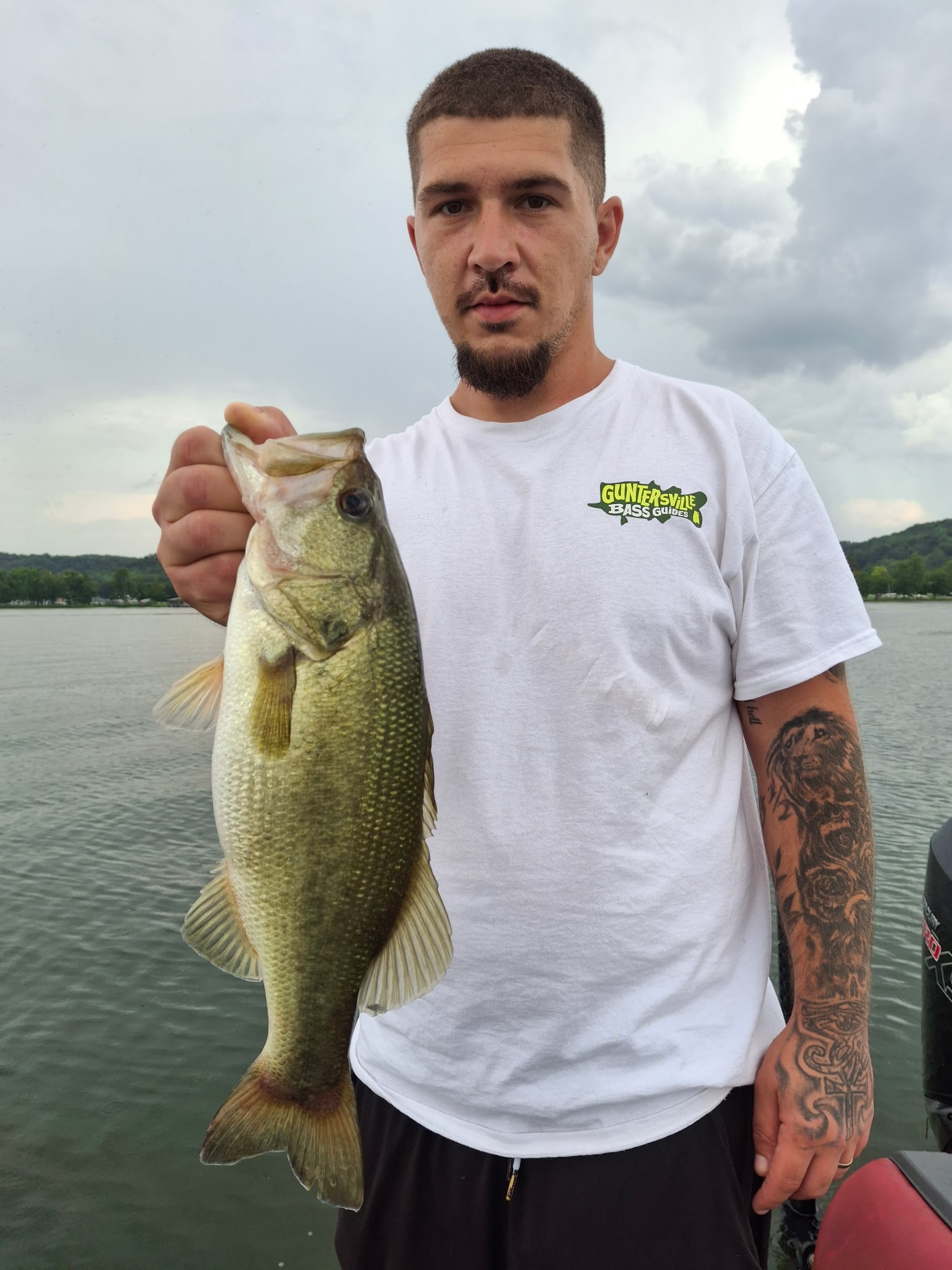
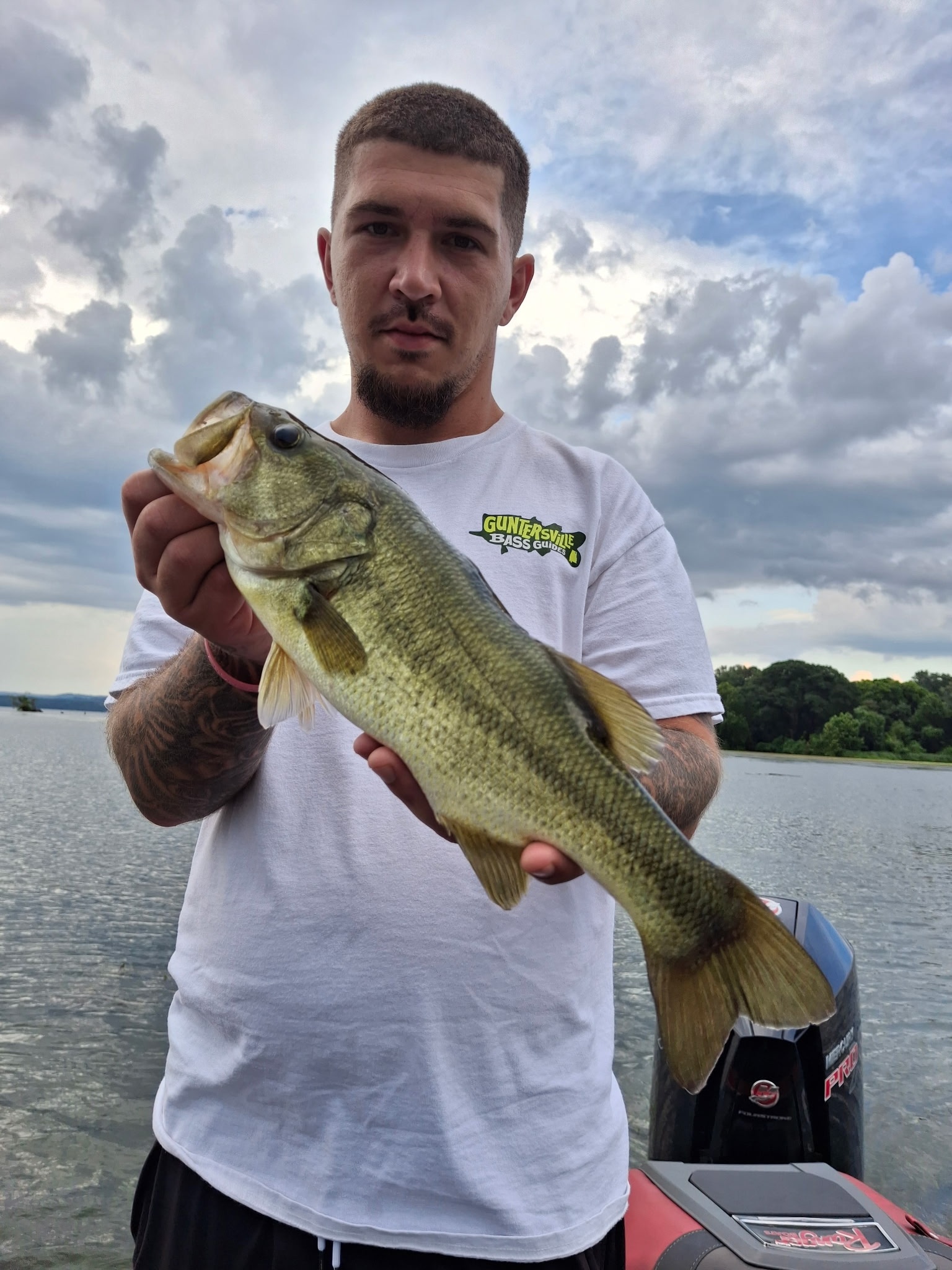
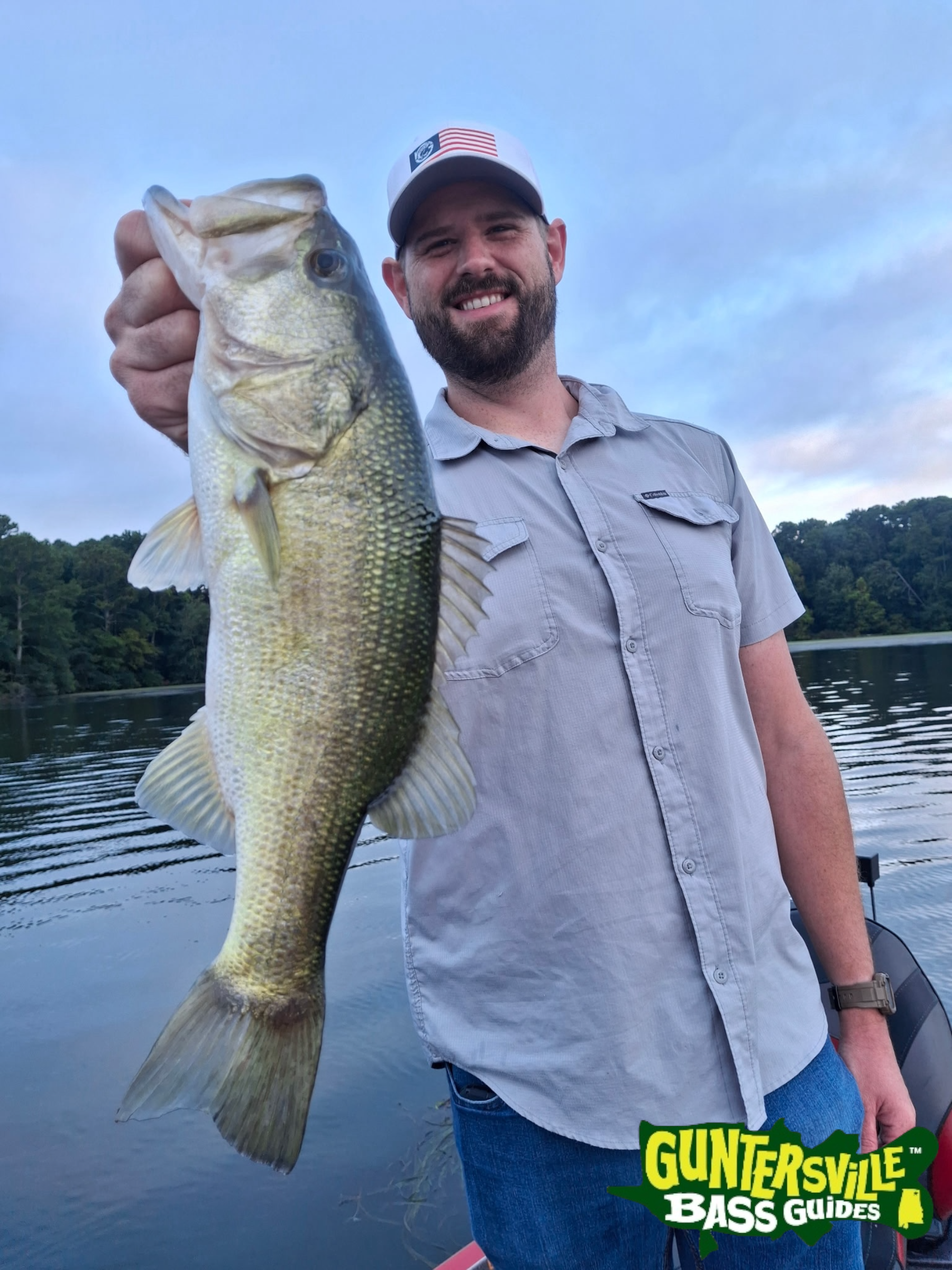
The biggest improvement is the number of bass getting involved. Most of the fish are not trophy-sized. A large part of the catch is made up of keeper-sized largemouth up to about 2 to 2½ pounds, and that is perfectly fine when the fish are coming in groups and clients are getting repeated opportunities.
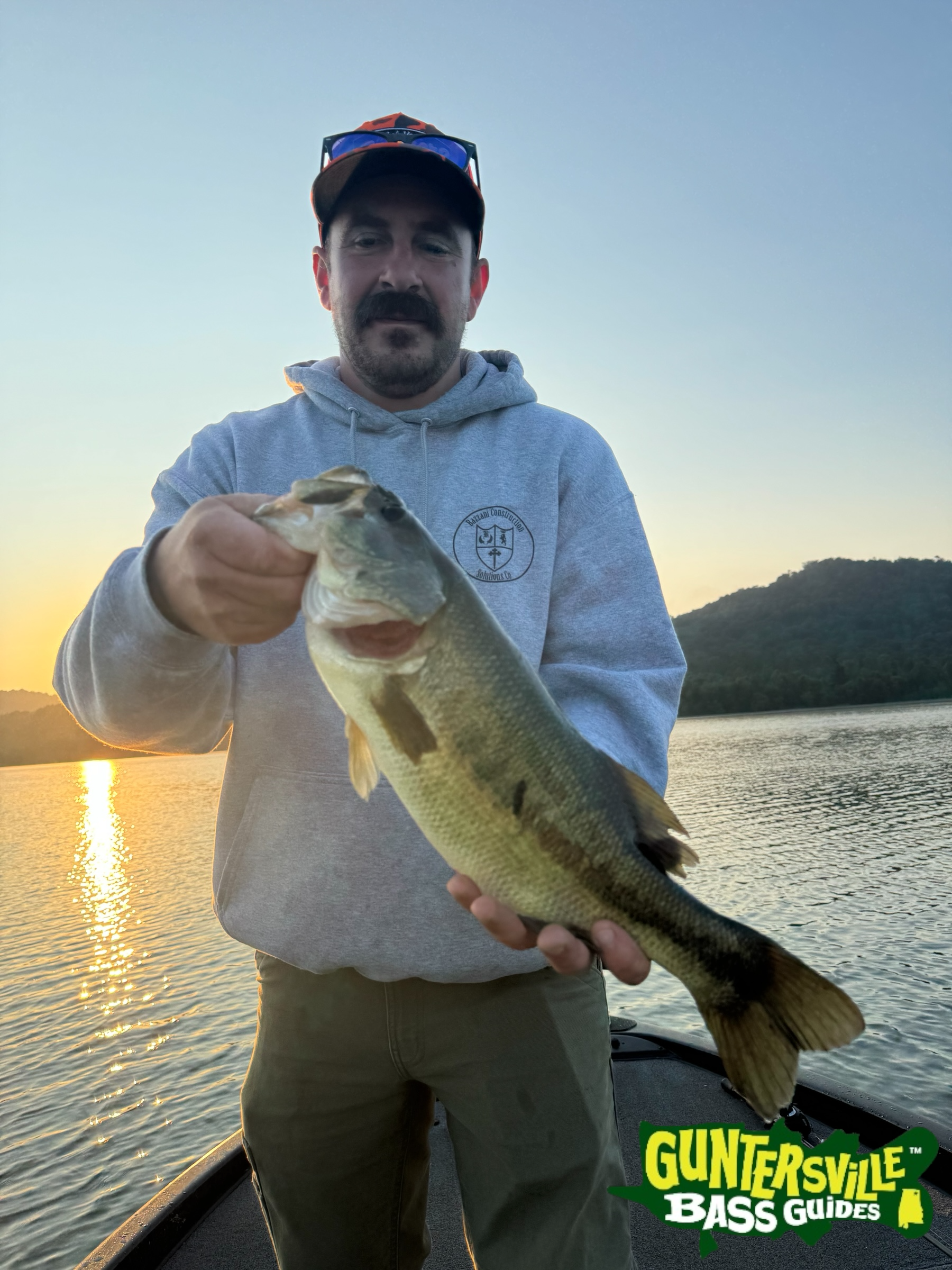
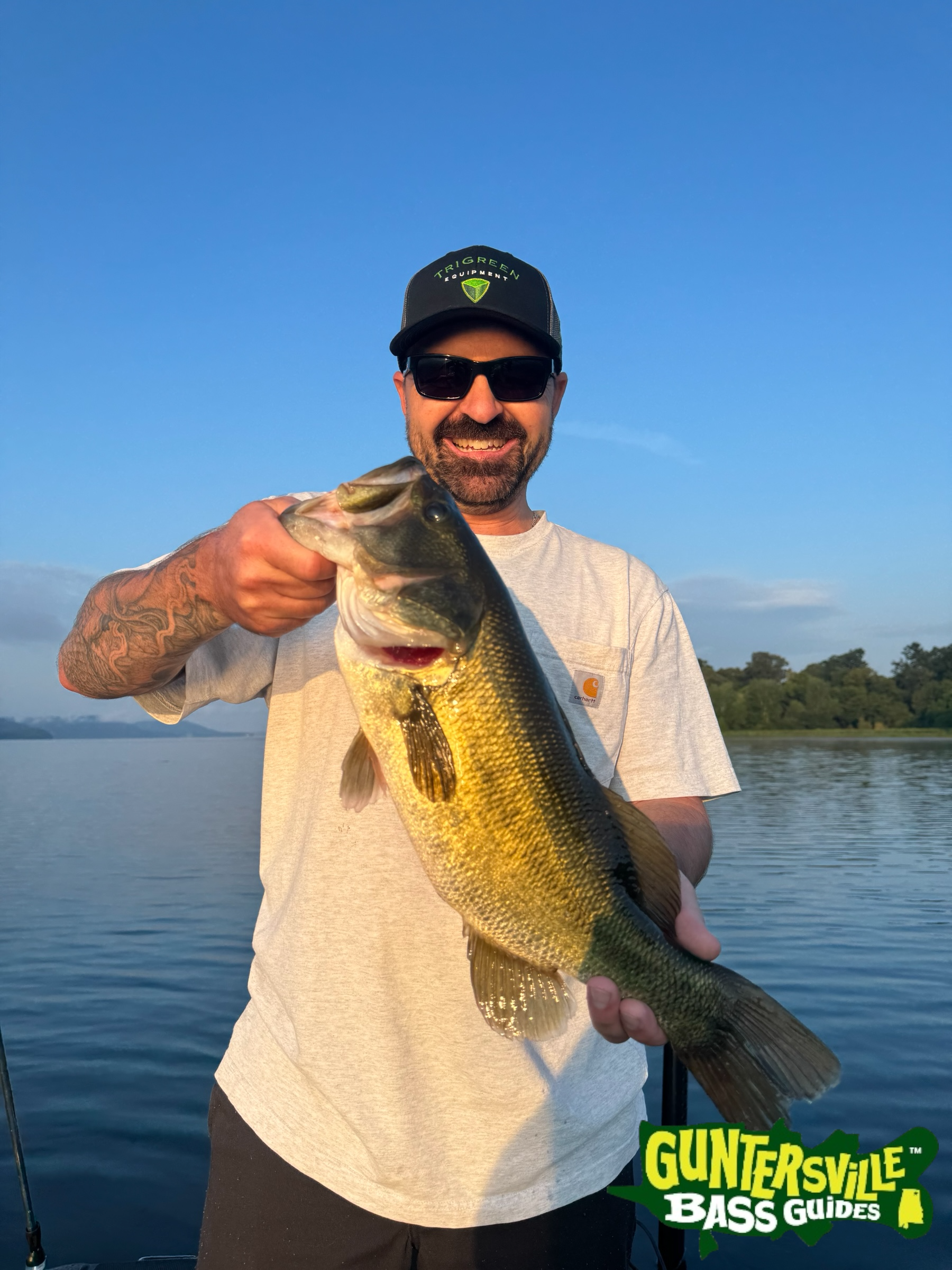
The quality bite is what keeps everyone ready. Four-pound-class fish are still showing up, sometimes several in a trip, and the 6-pounder this week was a reminder that a better bass can be mixed in with the next group you find.
TVA Aquatic Vegetation Meeting: The Short Version
We attended the TVA aquatic vegetation meeting this week, and the simplest way to describe the takeaway is that it was largely the same management direction we have already been seeing rather than a major change in policy.
TVA continues to focus aquatic vegetation management around developed public-use areas such as ramps, parks, access points, and other locations where vegetation can interfere with recreation and navigation. Mechanical harvesting and approved treatment methods remain part of that program.
Lakefront property owners also continue to have options for managing problem vegetation around docks and shoreline areas through the existing rules and treatment process. From a fishing standpoint, we will keep paying attention to where work is being done and how the lake responds, but there was no reason to come away from the meeting acting like the entire lake-management approach had suddenly changed.
Our Takeaway
Stay informed, pay attention to what is happening around the lake, and avoid turning every vegetation-management discussion into a worst-case scenario. Lake Guntersville remains a world-class fishery, and our job is to understand the changes that actually affect fishing rather than add noise to the conversation.
A Five-Guide Team Matters Even More When The Bite Changes Fast
This week is a good example of why Guntersville Bass Guides™ operates as a team instead of five separate boats doing five separate things.
When a transition finishes in the middle of the week, information has to move fast. What one guide learns in the morning can help another guide that afternoon. A productive area, a change in fish position, or a presentation adjustment can be compared across multiple trips instead of waiting several days to figure out whether it was a one-time event.
Capt. Phillip and Capt. Scott were the all-stars this week, but Capt. Jim, Capt. Myles, Capt. Scott, Capt. Phillip, and Capt. Derek are all contributing information to the same program. That is how the team stays ahead of a lake that can change quickly during late summer.
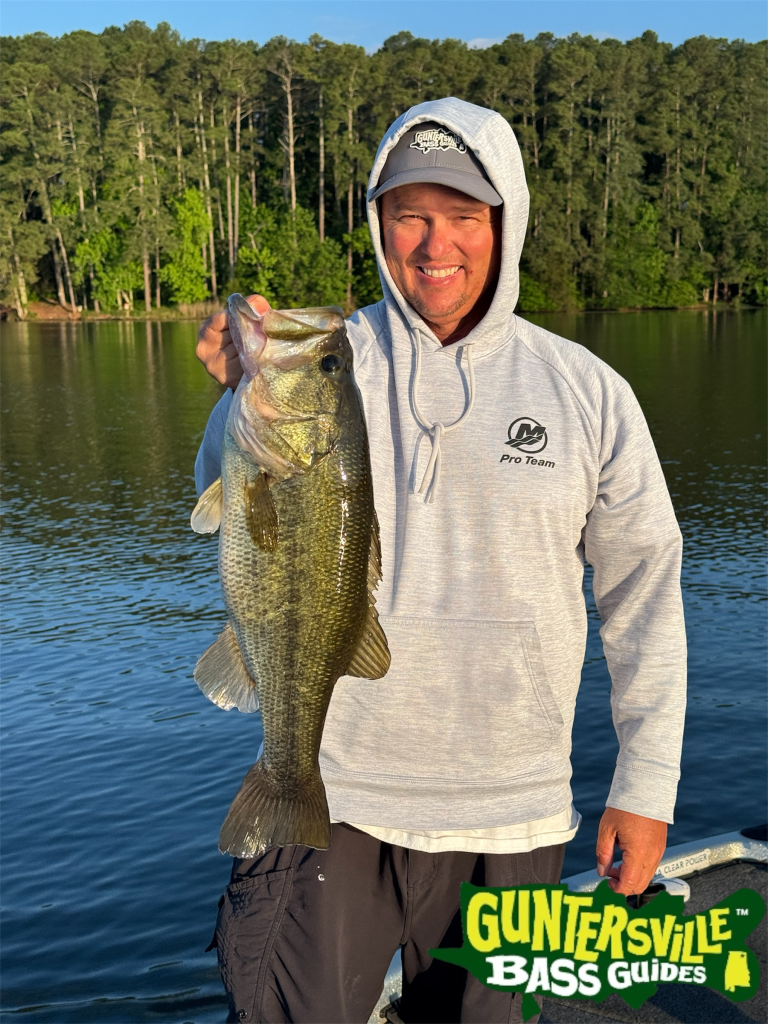


A Few More Catches From The Week
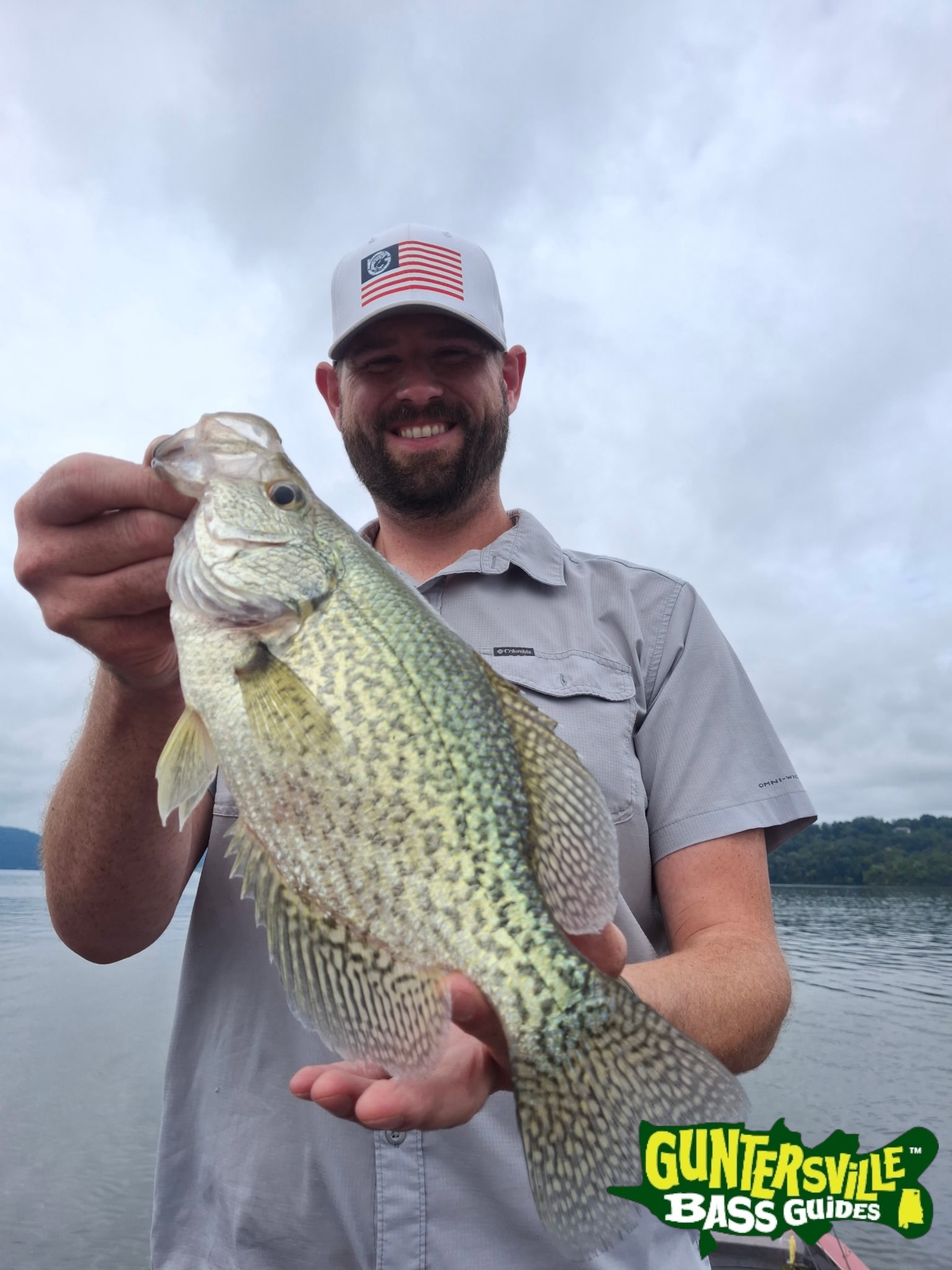
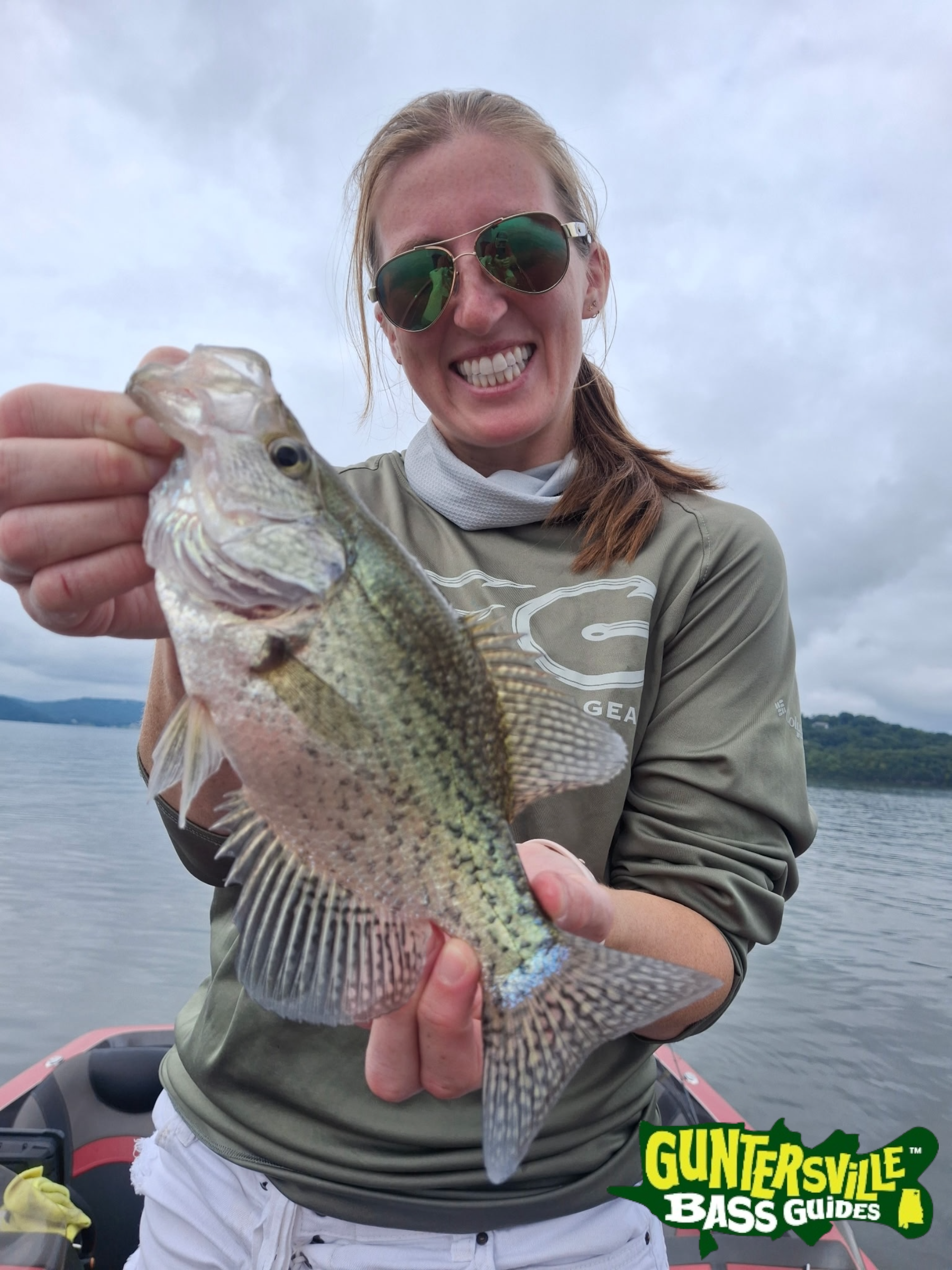
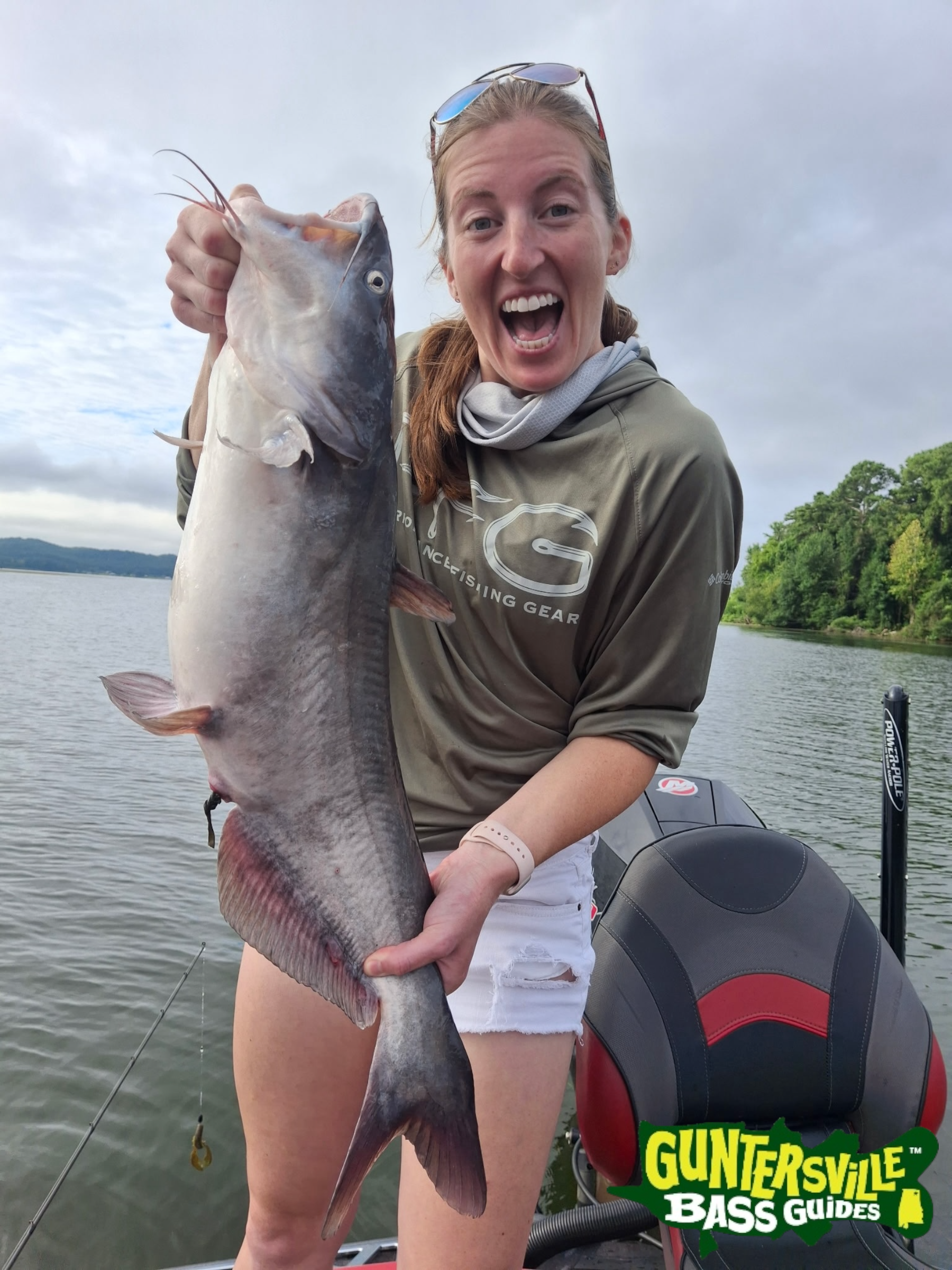
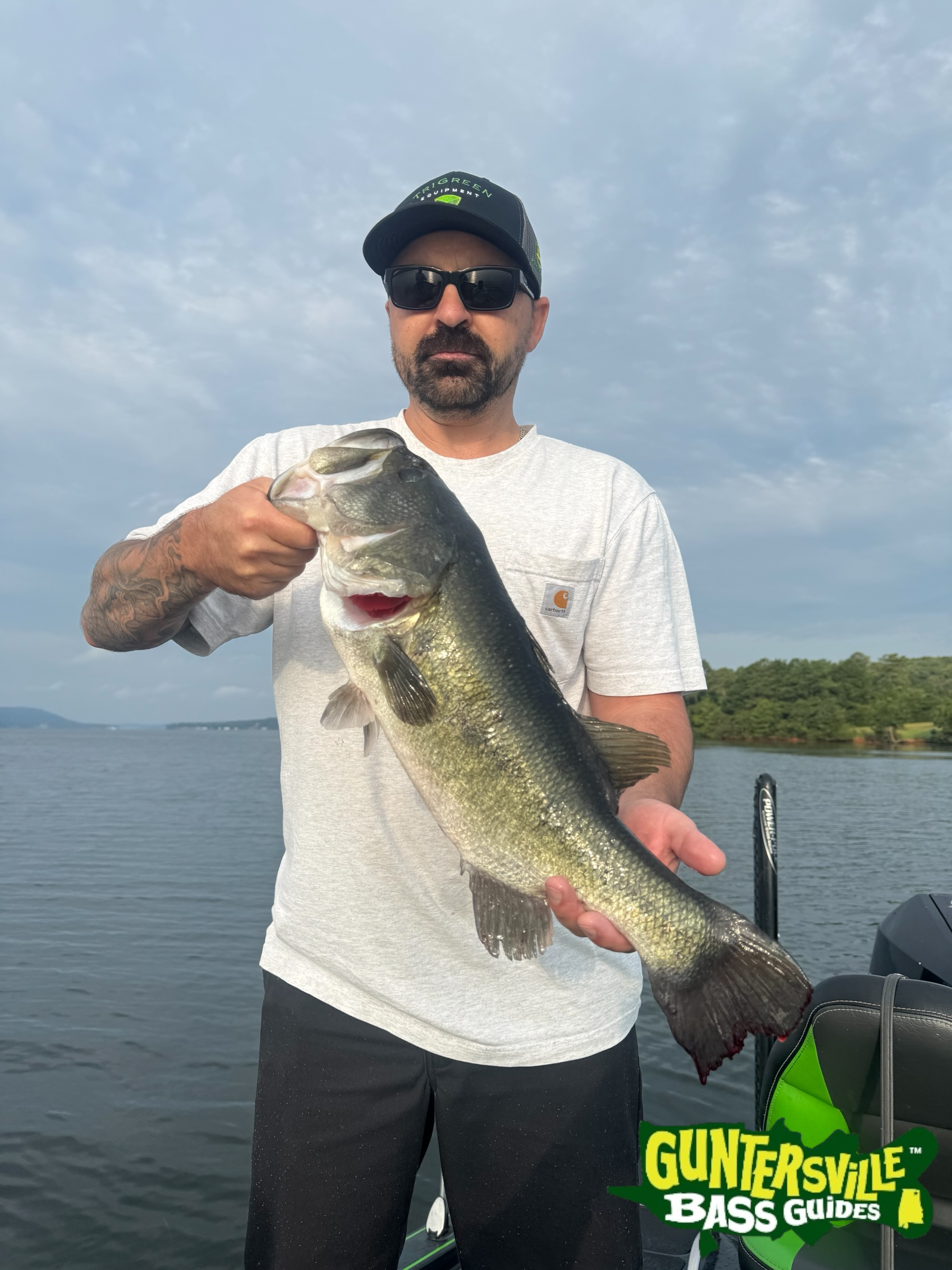
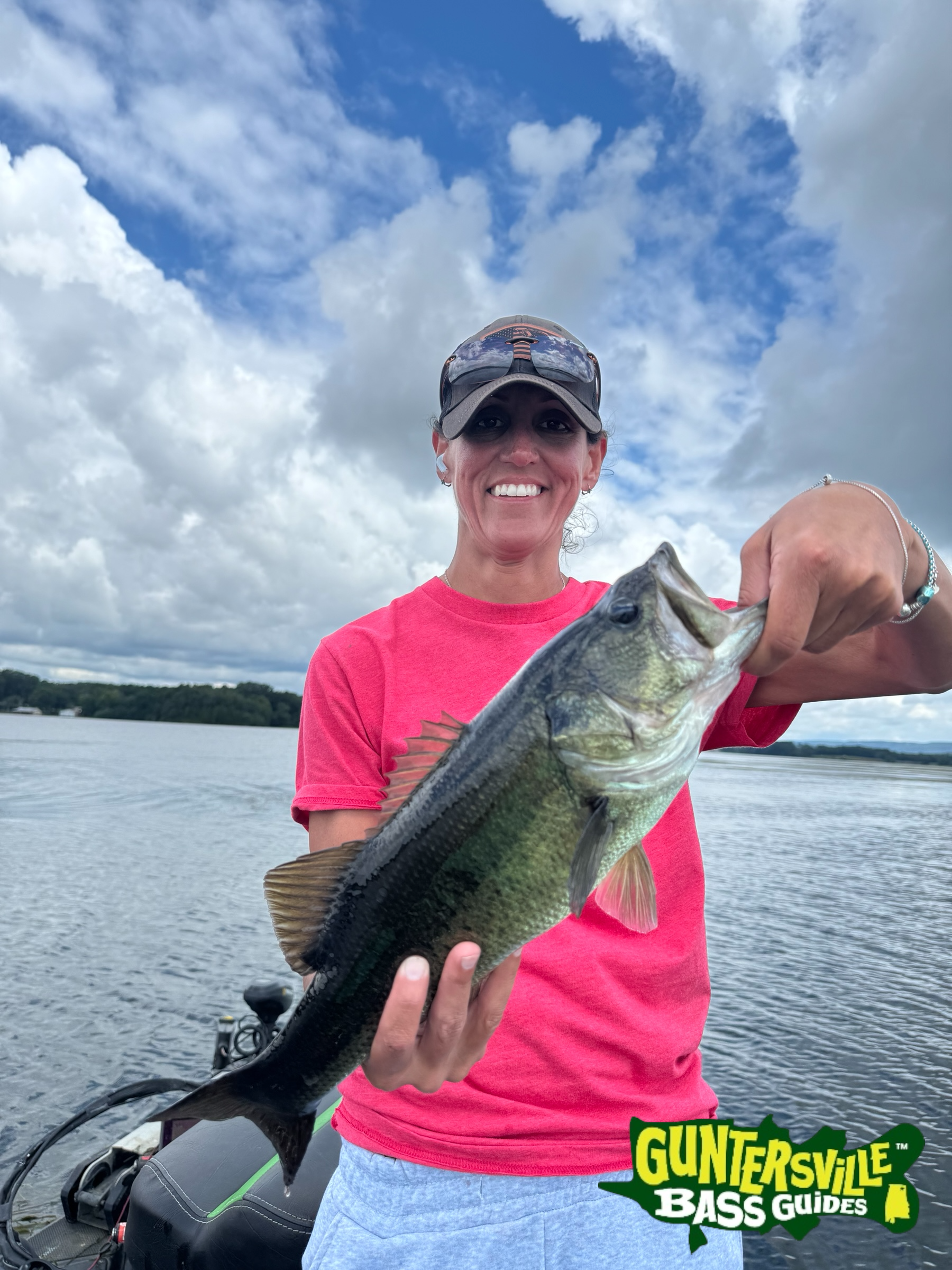
Bass were the headline, but they were not the only fish that made it into the camera roll this week. A couple of crappie and a catfish added a little variety, while the bass photos continued piling up across the guide boats.
Final Thoughts Going Into The Next Week
For two weeks, we kept talking about a transition that was not quite finished. We do not need to say that again this week. It happened.
The lake went from trips where 10 to 15 fish was a solid four-hour result to days where 30 to 40 fish became realistic. Most are good keeper-sized bass, but the quality is still mixed in, with 4-pound-plus fish showing up and a 6-pound largemouth highlighting the week.
We also have two presentations producing well enough that we are keeping the exact details inside the guide boats. The Texas rig is still working, moving baits are catching fish, and there is some topwater available. The important part is that we now have more than one way to put a productive trip together.
This is the kind of change we had been waiting for. If the current pattern holds, the next stretch of August should give anglers a lot more opportunities than we were seeing just a week or two ago.
Local Partner | Alabama Preferred Heating & Cooling

Alabama summer heat puts air-conditioning systems to work. Alabama Preferred Heating & Cooling serves North Alabama homeowners and supports the Lake Guntersville fishing community.
